
Weight sensors are essential components in various industries, from industrial automation and logistics to healthcare and retail. These sensors accurately measure weight and are used in everything from digital scales to advanced industrial weighing systems.
Understanding how weight sensors work, their types, and applications can help businesses choose the right instrument to measure weight for their needs.
This guide explores the working principles of weight sensors, the different types available, and their diverse applications across industries.
What is a Weight Sensor?
A weight sensor, also known as a weighing sensor or weight transducer, is a device that measures weight or force applied to it and converts it into an electrical signal. This signal is then processed by a weight transmitter to display or record the measurement.
Weight sensors play a crucial role in various applications, including laboratory balances, industrial weighing systems, and medical devices. The most common type of weight sensor is the load cell weight sensor, which utilizes strain gauges to detect changes in force.
How Does a Weight Sensor Work?
Weight sensors operate based on different principles such as piezoelectric, pneumatic, hydraulic capacitive etc, but the most common working mechanism involves strain gauge technology. At its core, a weight sensor operates by detecting a force (such as weight) and converting it into an electrical signal that can be interpreted by a system.
A strain gauge for weight measurement detects deformations in a material when force is applied. It is a small but crucial component that consists of a fine wire or a thin foil pattern that is adhered to a flexible backing.
When weight is applied, the sensor’s structure deforms slightly, causing a change in the resistance of the strain gauge. This change is measured using a Wheatstone bridge circuit, which enhances the small resistance variations and converts them into a measurable electrical signal.
For example, when you step on a digital weighing scale, your weight applies pressure on the sensor inside the scale.
This tiny force alters the resistance in the strain gauge, which is then converted into an electrical signal. The microcontroller inside the scale interprets this signal and displays the corresponding weight value on the screen.
Key Components of a Weight Sensor System:
Weight Load Cell – The primary component that detects the applied force.
Strain Gauge – Measures the deformation caused by weight and converts it into an electrical signal.
Wheatstone Bridge – Converts small changes to measurable electrical signal.
Signal Conditioner – Amplifies and processes the electrical signal.
Weight Transmitter – Converts the signal into a readable weight measurement.
Types of Weight Sensors
There are several types of weight sensors, each suited for specific applications.
1. Load Cell Sensors
Load cells are the most widely used scale sensors for weight measurement. They rely on strain gauge technology to measure force and provide precise weight readings.
Types of Load Cells:
Compression Load Cells – Measure force applied in a downward direction (e.g., truck scales).
Tension Load Cells – Measure force when pulled (e.g., crane scales).
Shear Beam Load Cells – Used in industrial weighing applications for their high accuracy.
Single-Point Load Cells – Common in retail and small platform scales.
Canister Load Cells – Designed for high-capacity weighing applications.
2. Capacitive Weight Sensors
These sensors measure weight based on changes in capacitance when force is applied. They are commonly used in precision instruments and lightweight measurement applications.
3. Piezoelectric Weight Sensors
Piezoelectric sensors use piezoelectric materials that generate an electrical charge when subjected to pressure. These are ideal for dynamic weight measurement applications such as force monitoring in machinery.
4. Hydraulic Weight Sensors
These sensors measure weight by detecting changes in fluid pressure when a load is applied. They are suitable for rugged industrial environments and heavy-duty applications.
5. Pneumatic Weight Sensors
Pneumatic weight sensors work similarly to hydraulic sensors but use air pressure instead of fluid. They are used in clean environments like food processing industries where contamination risks must be minimized.
6. Force Sensors
A force sensor measures force exerted on an object, which can be used to determine weight in some applications. While force sensors and load cells are similar, force sensors are more general-purpose and may be used in robotics, automotive testing, and material science.
7. Pressure Sensors
A pressure sensor detects pressure exerted by a fluid or gas. When integrated into a weighing system, pressure sensors can determine weight by measuring the pressure exerted by a load. These sensors are common in hydraulic and pneumatic weighing systems.
8. Torque Sensors
A torque sensor measures rotational force and is not typically used for direct weight measurement. However, in some applications, such as industrial machinery, torque sensors help monitor weight distribution by measuring force applied to rotating systems.

Advanced Sensor Technologies
Beyond traditional strain gauge load cells, modern weight sensors incorporate additional technologies to improve performance:
Temperature Compensation: Some sensors include temperature compensation circuits to maintain accuracy in fluctuating environments. This is crucial in industrial and outdoor applications where temperature changes can affect sensor readings.
Wireless Communication: Advanced weight sensors now support wireless data transmission via Bluetooth, Wi-Fi, or industrial communication protocols, allowing seamless integration into IoT systems.
AI-Driven Calibration: Some high-end sensors use artificial intelligence algorithms to self-calibrate and improve long-term accuracy and reliability.
Applications of Weight Sensors
1. Industrial Weighing and Automation
Weight sensors are widely used in manufacturing and automation to measure raw materials, ensure quality control, and optimize production efficiency. Scale sensors are integrated into conveyor belts and robotic systems for precise weight measurement.
2. Healthcare and Medical Devices
In medical applications, weight sensors are found in weight measuring devices such as hospital beds, patient scales, and prosthetic limb testing equipment. Load cell sensors provide high accuracy for critical weight monitoring.
3. Retail and Commercial Weighing
Retail applications include digital weighing scales used in supermarkets and shipping logistics. Weight measuring devices ensure accurate pricing based on weight in grocery stores and postal services.
4. Aerospace and Automotive
Weight sensors help in measuring weight in aerospace engineering, where precise load calculations are crucial for aircraft safety. Automotive industries use weight sensors for vehicle load distribution and testing.
5. Agriculture and Livestock Weighing
Farmers use weight-measuring instruments to track livestock growth and measure feed quantities accurately. Load cells integrated into weighing platforms help maintain precise livestock management.
6. Smart Technology and IoT Applications
Modern IoT-enabled weight sensors provide real-time weight data and remote monitoring capabilities. Smart weighing solutions are used in logistics, vending machines, and automated warehouses for efficiency.
Choosing a Weight Sensor Manufacturer and Supplier
When selecting a weight sensor manufacturer or weight sensor supplier, consider the following factors:
Capacity – Choose a sensor with an appropriate weight range for your application.
Accuracy – Higher precision is required for laboratory and medical applications.
Environmental Conditions – Industrial settings may require waterproof or ruggedized sensors.
Mounting and Integration – Ensure compatibility with existing weighing systems.
Technical Support and Customization: Opt for manufacturers offering customization and technical assistance.
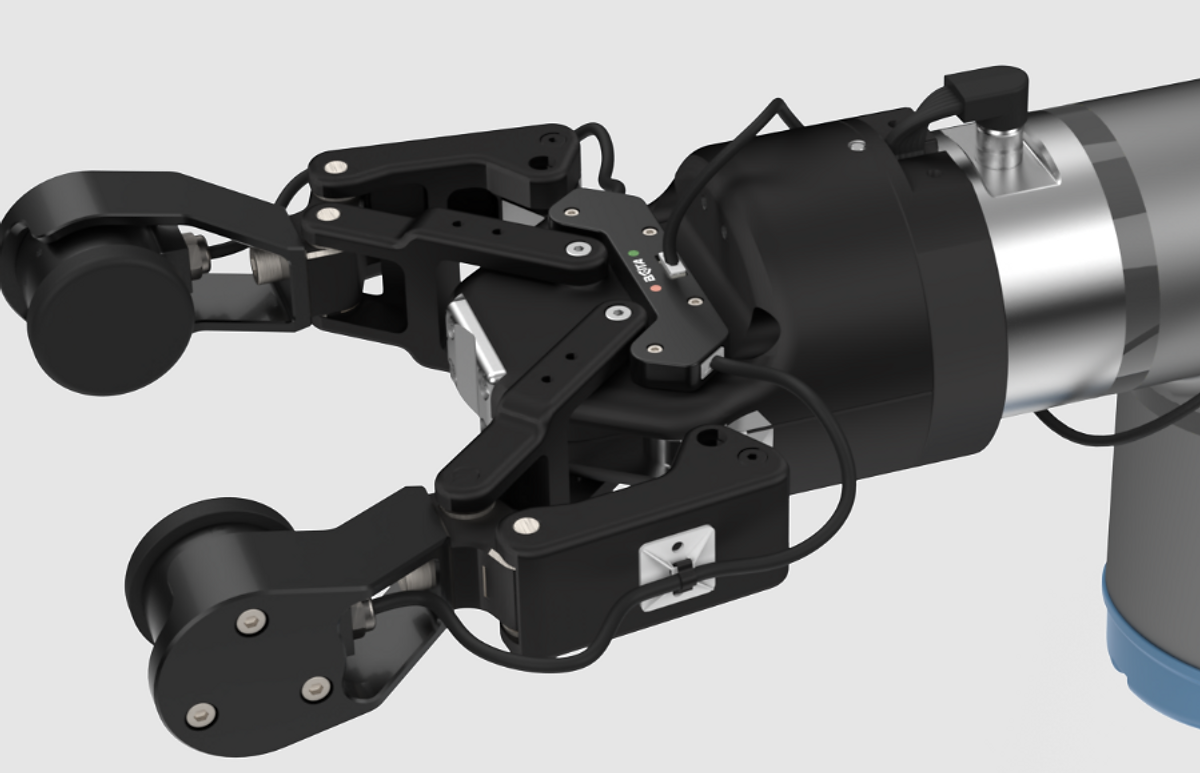
Bota Systems: Advancing Precision in Weight Sensing with Robots
As weight sensor technology continues to evolve, companies like Bota Systems are at the forefront of innovation, providing high-precision force torque sensors for cutting-edge applications. Their advanced sensor solutions integrate seamlessly with robotics, automation, and industrial weighing systems, ensuring unparalleled accuracy and reliability.
Whether in manufacturing, healthcare, or aerospace, Bota Systems’ expertise in sensor technology empowers businesses to optimize their processes with real-time, data-driven insights.
Conclusion
Weight sensors play a crucial role in measuring weight accurately across various industries. From load cell weight sensors in industrial automation to scale sensors in retail, these devices ensure precision and efficiency in everyday operations.
Understanding the types, working principles, and applications of weight sensors helps in selecting the right weight measuring device for specific needs.
Whether you’re a manufacturer, researcher, or business owner, investing in the right weighing sensor ensures reliable performance and accurate weight measurements.