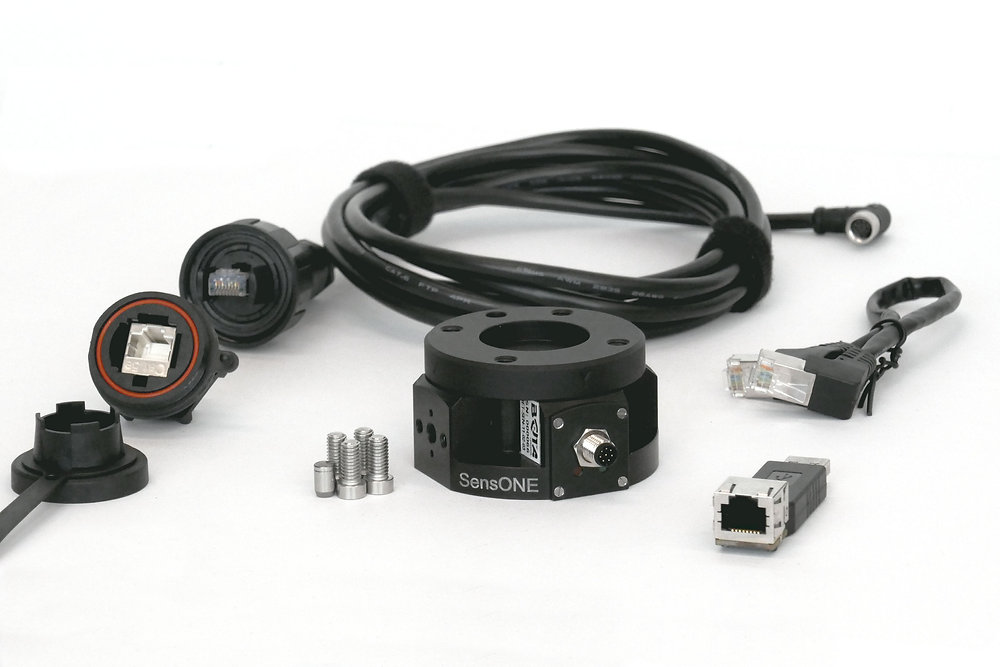
When most people hear the word robot, the first thing that comes to mind is a futuristic metallic humanoid in a spaceship.
However, the technological world has been changing fast, with robots becoming indispensable in all industries, including research. These days, robots are used in medicine, automotive, space exploration and more. These machines have helped reshape the human future and understand the world above our control –space.
One of the critical things in a robot is a load cell. It is a device that ensures the robot takes accurate data during research. Here, we will dig deep into ten robots used in research and their impact.
Why Are Robots Useful?
Robots are vital tools in research, thanks to their ability to conduct repetitive and dangerous tasks that humans often cannot do. These machines work in some of the most inaccessible and dangerous places.
Therefore, for example, in deep sea and space explorations, robots are vital, and that’s why they are still being used to learn what more there is in these places that humans cannot easily access.
What Makes A Good Research Robot?
Good research robots should have suitable sensors, chemical detectors, and load cells to analyze information in real-time.
Ideally, research robots operating in demanding environments should also be easily programmable to make them easier to employ for research purposes.
Here Are 10 Robotics Technology Examples Transforming Research Across Various Fields
1. In Space Exploration
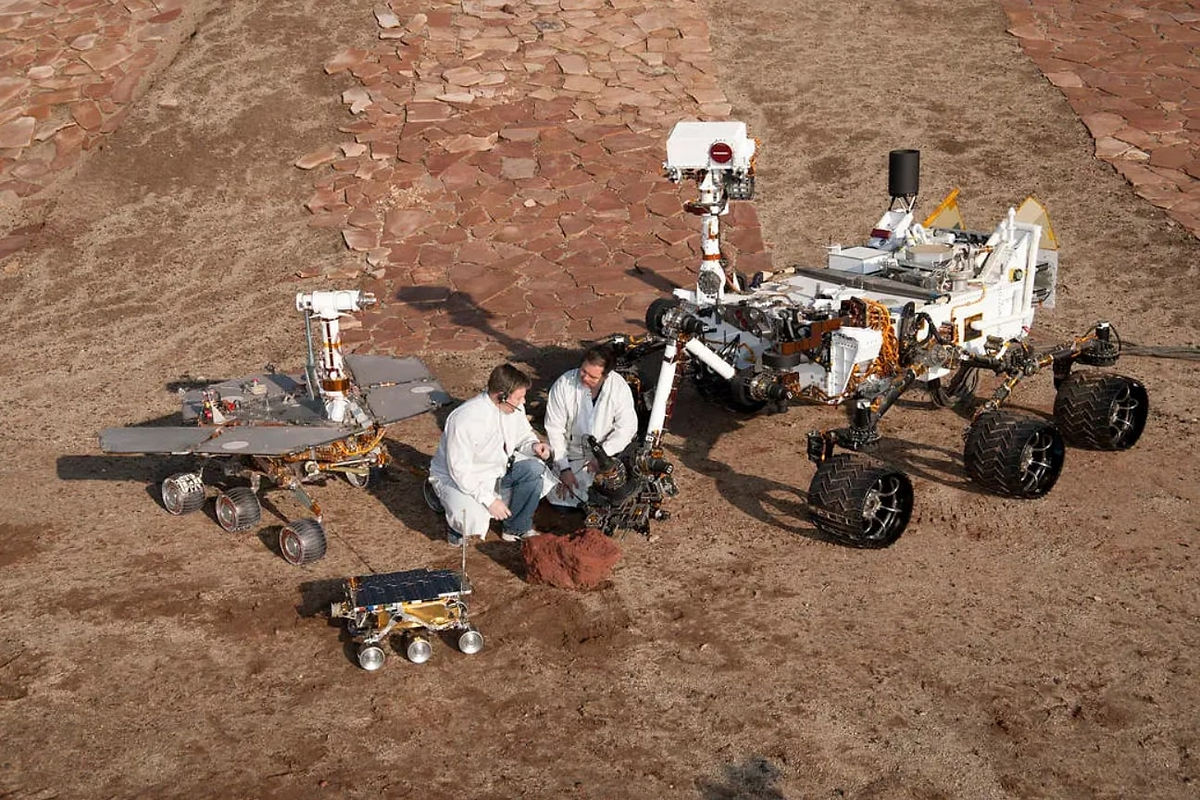
In 2022, the space robotics market was valued at $4.40 billion, with an expected growth rate of 8.8% between 2023 and 2030. This growth is forecasted because many organizations are investing heavily in space exploration.
For instance, NASA’s Curiosity Rover is a research robot that has transformed space exploration. NASA has used the robot to explore Mars by studying the planet’s climate, geology, and more.
Since it has sensors, the robot can ensure the force the robotic arm exerts while collecting samples. Scientists can easily analyze soil and rock samples to determine what minerals are available. There are also a couple of other discoveries that scientists can carry out in other studies, including figuring out which other planets support life.
2. In Medicine & Surgical Procedures
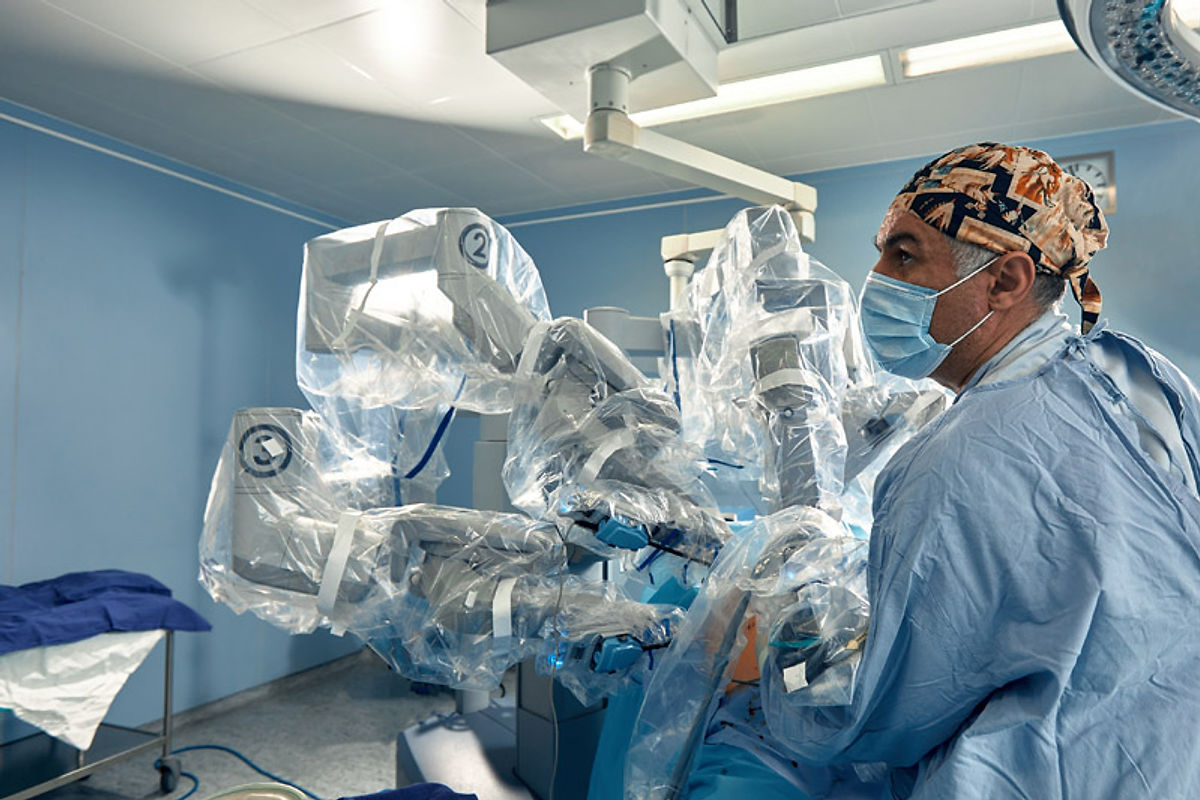
Since 1995, the DA Vinci surgical system has assisted surgeons in surgeries, giving them an added advantage that can enhance their capabilities when performing complex procedures. It translates the surgeon’s hand movements in real-time, rotating and bending the instruments when performing different surgical procedures.
The best aspect of this system is that it offers 3D high-definition views of the specific surgical area, ensuring surgeons can operate through small incisions.
According to the Strategic Market Research report, between 2012 and 2022, the number of surgeries that surgeons did using robotic technology increased from 0% to 22%. The same research notes that the surgical robot department will be worth $20.98 billion by 2030.
3. Disaster Response Robots
We live in a world where disasters can strike at any time. This is where rescue robots are helpful. These robots fall into four categories: water, fire, land, and drone rescue robots.
For example, the emergency integrated lifesaving lanyard (EMILY), a remote-controlled robot, assists individuals stuck in a river, beach, or ocean.
Another creative innovation in rescue and disaster management has been an underground robot helping to rescue trapped people. Although this hasn’t been fully accepted, the U.S. Defense Advanced Research Projects Agency (DARPA) created an underground challenge.
Despite its success, different aspects still need improvement before fully exploring how well these robots could assist people trapped in mining sites or other underground tapping.
4. Humanoid Robots

Humanoid robots have made incredible achievements in different industries, including entertainment, research, customer service, and medicine. A 2023 report noted that the humanoid robotics market size was valued at $1.8 billion and could rise to $13.8 billion by 2028.
The growth means more tasks requiring human and robot interactions will be adopted, including patient care and rehabilitation and providing physical and emotional support for senior citizens. As more advancements increase, these robots will reshape innovations in research industries.
5. Marine Robotics
Oceans occupy 71% of the earth’s surface. Yet, they remain largely unexplored. Marine robots, or underwater robots, are useful for ocean exploration. Human divers can only get to a specific depth because of intense pressure undersea. Unlike human divers, marine robots can also explore the deep sea without feeling the effects of high pressure.
Since these robots can also look at the geological structures of the ocean floor bed and coral reefs, they have assisted with many discoveries, including detecting changes that could endanger marine life.
6. Drug Discovery Robots
Robotics have been part of the healthcare industry since the 1970s, but they weren’t common. However, this changed during the COVID-19 pandemic, when there was a 69% increase in the demand for healthcare robots between 2019 and 2020.
These machines are useful in drug discovery and the screening process to assist in dealing with a couple of treatments and ensuring the correct measurement of the chemical reactions when conducting experiments.
An automated process has guaranteed proper reporting and data collection and helped adhere to all the standardization procedures. They are used in laboratories, medical device assembly, labeling, and more.
7. In Artificial Intelligence Research
Unsurprisingly, the global artificial intelligence (AI) market will hit $14.30 billion in 2023 and reach $82.47 billion by 2032. A.I. has made substantial progress over the years.
One of the gadgets used in the study of robots in machine learning is AI. It enables robots to mimic human actions. The AI gives the robots some actions to perform and assists in going beyond the regular repetitive tasks to cognitive collaborators.
Edge computing is another way through which AI uses robots. The approach gives people real-time awareness, allowing the robots to make faster decisions than humans.
8. In The Military Field
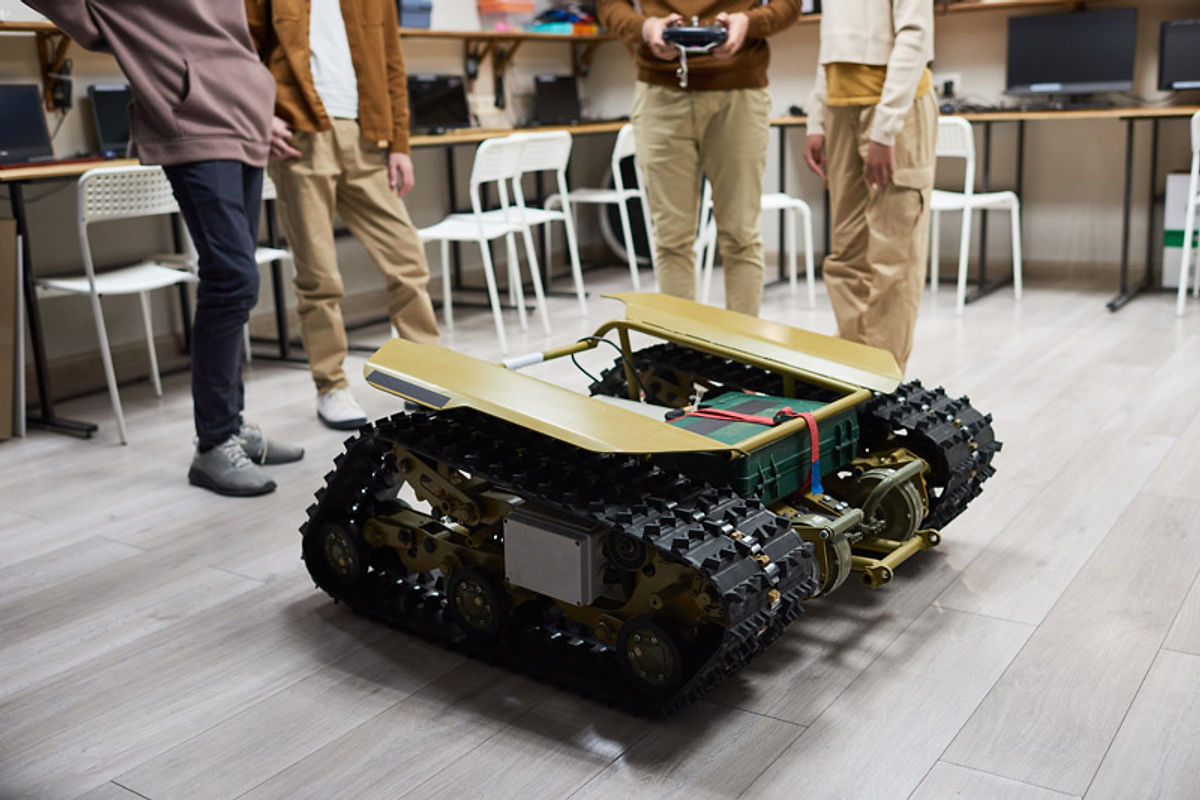
The military needs robots to handle several challenging tasks, including surveillance, transportation, and rescue missions. Robots have enabled the military to handle these and other tasks more easily.
For instance, the military has been using robots to determine some of the best methods to restore peace in war zone areas. They help determine some future military drills that could assist them in war. It is why the U.S. Department of Defense planned to spend $3.7 billion on robotics and a further 2.6 billion on hypersonic weapons after understanding how much the robots are changing the future, even in the military world.
9. In Customer Service
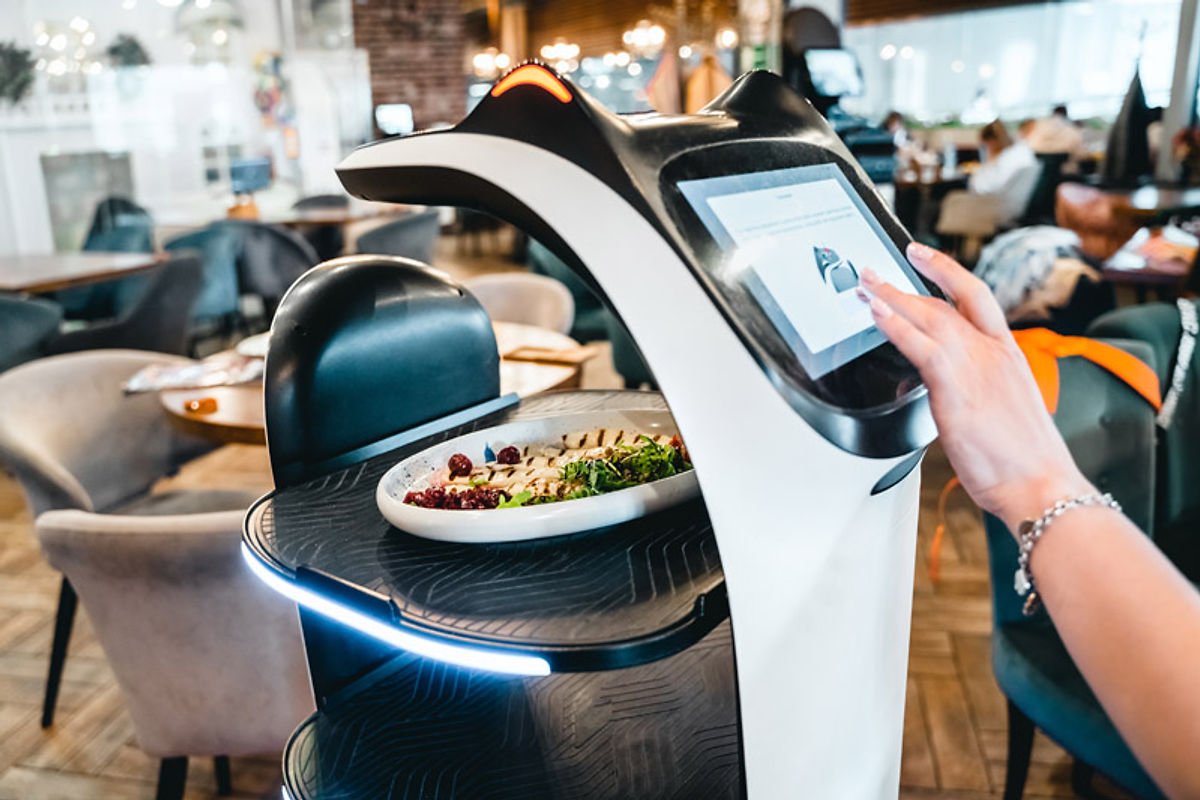
Many service providers are investing in using robots in their workplaces. Besides these robots servicing customers, they also learn customer habits and expectations, improving the end-user experience.
The basic idea in customer service has been to incorporate robots to work alongside humans, thus orchestrating the best customer experiences. The adoption of social robots has gained momentum and is expected to grow to $11.24 billion by 2026. Therefore, having such machines in your business makes it easier to learn your customers ‘needs and know areas that need improvement.
10. Gaming Industry
Robots have become a huge part of the gaming industry within the last two decades. Robots have provided a new gaming opportunity for most gamers by reviewing different games and understanding what an individual wants. That ensures the gamers’ autonomy doesn’t collide with the games’ design, goals, and other issues.
Furthermore, through robotic research in the gaming industry, gamers and developers understand other aspects of the game that are yet to be explored. Robots can focus on the game interactions between players, thus predicting some partners of what many players might want in the future.
Enhance Your Operations With Robotics
In the rapidly evolving field of robotics, precision, reliability, and adaptability are crucial.
Force torque sensors are pivotal in enhancing the accuracy and efficiency of research robots across various applications. From space exploration to medical procedures, Bota Systems’ sensors enable robots to interact with their environments more precisely, ensuring delicate tasks are performed with the utmost care and data accuracy. As robotics continues to shape the future of technology, innovations like those will be key to unlocking new possibilities and advancing our understanding of the world.
Talk to our team to learn more about force torque sensors and how they can help streamline your operations.