Medical sensors are at the heart of modern healthcare, providing essential data that drives diagnosis, monitoring, and treatment. From tracking vital signs like heart rate and blood pressure to detecting glucose levels in diabetes patients, these sensors are crucial in everyday medical devices.
As technology advances, the role of medical sensors continues to expand, offering new ways to enhance patient care and improve outcomes. This article will explore the different types of medical sensors, provide examples of how they are used, and discuss their various applications in healthcare.
Medical Sensors have revolutionized the health care system
Medical sensors offer significant benefits in both home health monitoring and hospital environments by providing precise, real-time data that can improve patient outcomes and reduce healthcare costs.
In-home settings, medical sensors embedded in devices like wearables, blood glucose monitors, and smart scales allow for continuous monitoring of chronic conditions such as diabetes, hypertension, and cardiac arrhythmias.
These sensors enable remote patient monitoring, which allows healthcare providers to track vital signs and detect anomalies early, reducing the need for frequent hospital visits and allowing for more personalized, timely interventions.
For instance, continuous glucose monitors (CGMs) use biochemical sensors to provide real-time blood sugar levels, enabling better diabetes management at home.
In hospital settings, medical sensors are critical for intensive care and surgical monitoring. They provide continuous, high-resolution data, which is essential for managing critical patients.
For example, pressure sensors in ventilators measure airway pressures to adjust the ventilator settings precisely, ensuring optimal respiratory support.
Similarly, biopotential sensors used in electrocardiograms (ECGs) and electroencephalograms (EEGs) provide detailed cardiac and brain activity data, which are crucial for diagnosing and managing conditions like arrhythmias and seizures.
Moreover, the integration of advanced sensors into hospital systems facilitates automated data collection and analytics, reducing the workload on healthcare staff and minimizing human error, thus enhancing patient safety and care quality.
Types of Medical Sensors and their applications
Here’s a detailed breakdown of the most common types of healthcare sensors, including their functionality and applications in healthcare:
Biopotential Sensors
Biopotential sensors measure the electrical signals generated by the body’s physiological processes. These sensors detect voltage differences on the skin’s surface caused by electrical activity within the body, such as heartbeats or muscle contractions.
Examples:
ECG (Electrocardiogram) Sensors: Measure the electrical activity of the heart to detect arrhythmias and monitor heart health.
EEG (Electroencephalogram) Sensors: Detect electrical activity in the brain, used in diagnosing and monitoring conditions like epilepsy, sleep disorders, and brain injuries.
EMG (Electromyogram) Sensors: Measure electrical signals from muscle contractions, often used in physical rehabilitation and to diagnose neuromuscular disorders.
Biopotential sensors are widely used in wearable devices and clinical settings for continuous monitoring of patients’ cardiac, neural, and muscular activity. They provide crucial data for diagnosing conditions, monitoring ongoing treatments, and managing chronic diseases.
Biochemical Sensors
Biochemical sensors detect specific chemical substances in the body, such as glucose or hormones, through a biochemical reaction that produces a measurable signal. These sensors often rely on enzymatic reactions or binding interactions that cause a detectable change in electrical properties, color, or fluorescence.
Examples:
Blood Glucose Sensors: Use enzyme reactions to measure glucose levels in the blood, essential for diabetes management.
Enzyme-Based Sensors: Detect various metabolites, hormones, or drugs by using enzymes that specifically react with the target molecule, changing a physical property like electrical resistance or color.
Biochemical sensors are crucial for managing chronic diseases such as diabetes by providing continuous or on-demand monitoring of blood glucose levels. They help in the accurate dosing of insulin and adjusting lifestyle or dietary habits to maintain optimal health.
Imaging Sensors
Imaging sensors convert various forms of energy, such as X-rays, magnetic fields, or sound waves, into images that reveal the internal structure of the body. They are essential for non-invasive diagnostics and for guiding therapeutic procedures.
Examples:
X-ray Sensors: Detect X-rays passing through the body to create images of bones and other dense structures, commonly used in detecting fractures and diagnosing lung diseases.
MRI (Magnetic Resonance Imaging) Sensors: Measure magnetic fields and radio waves to produce detailed images of soft tissues, such as the brain, spinal cord, and joints.
Ultrasound Probes: Emit and detect high-frequency sound waves to create images of soft tissues, blood flow, and organs, widely used in prenatal care and diagnostics.
Imaging sensors are vital in diagnosing a wide range of conditions, from broken bones to cancer. Advances in sensor technology have improved the resolution and functionality of imaging devices, enabling more accurate diagnoses and minimally invasive surgical techniques.
Temperature Sensors
Temperature sensors measure body or environmental temperature, which is a critical indicator of health status. Changes in body temperature can indicate infection, inflammation, or other medical conditions.
Examples:
Thermistors: Measure temperature changes through variations in electrical resistance; commonly used in digital thermometers.
Infrared Sensors: Detect infrared radiation emitted by the body to measure temperature without direct contact, useful in monitoring fever and during surgeries where sterility is essential.
Temperature sensors are used to monitor patients for signs of fever or hypothermia and are integral in surgical settings for controlling patient body temperature. They are also used in environments where precise temperature control is necessary, such as incubators for newborns.
Pressure Sensors
Pressure sensors measure the force exerted by fluids or gases. They operate on various principles, such as piezoelectricity, where pressure changes cause electrical charges to build up, or capacitance, where pressure changes affect an electrical field.
Examples:
Blood Pressure Sensors: Measure arterial pressure to monitor cardiovascular health, typically using the oscillometric method in digital blood pressure monitors.
Intracranial Pressure Sensors: Measure the pressure inside the skull, used in patients with traumatic brain injury or other neurological conditions to prevent brain damage from elevated pressure.
Pressure sensors are essential for monitoring vital signs and detecting conditions such as hypertension or respiratory issues. In critical care settings, they provide continuous monitoring of blood pressure and intracranial pressure, enabling timely interventions.
Motion Sensors
Motion sensors detect movement and orientation, crucial for monitoring patients’ physical activity and rehabilitation progress. They help assess motor function in patients recovering from injuries or surgeries and in those with movement disorders.
Examples:
Accelerometers: Measure linear acceleration to detect falls or monitor activity levels, used in fitness trackers and rehabilitation devices.
Gyroscopes: Measure angular velocity, helping track body movements and balance, often used in combination with accelerometers in advanced wearable devices.
Implantable Sensors Vs Sensors in External Medical Devices
Implantable Sensors are small devices surgically placed inside the body to provide continuous monitoring of physiological parameters.
They offer the advantage of real-time, long-term data collection directly from within the body, leading to more accurate and reliable measurements.
For example, implantable glucose sensors provide continuous glucose monitoring for diabetes management without the need for frequent blood samples. These sensors often use biocompatible materials and advanced power management techniques, such as wireless power transfer or in-body energy harvesting, to ensure functionality and longevity.
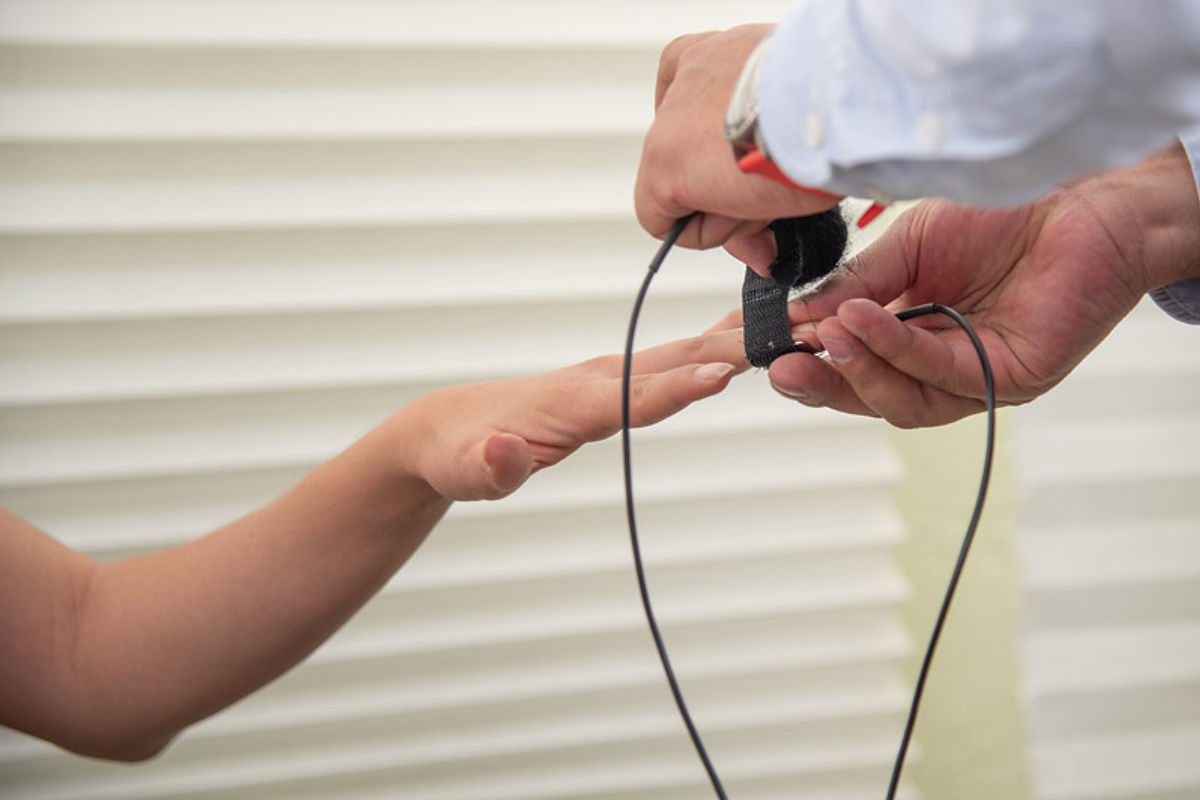
There are several external Medical Device examples in which medical sensors are used. In contrast to implantable sensors, they are non-invasive and placed on the body’s surface or used externally.
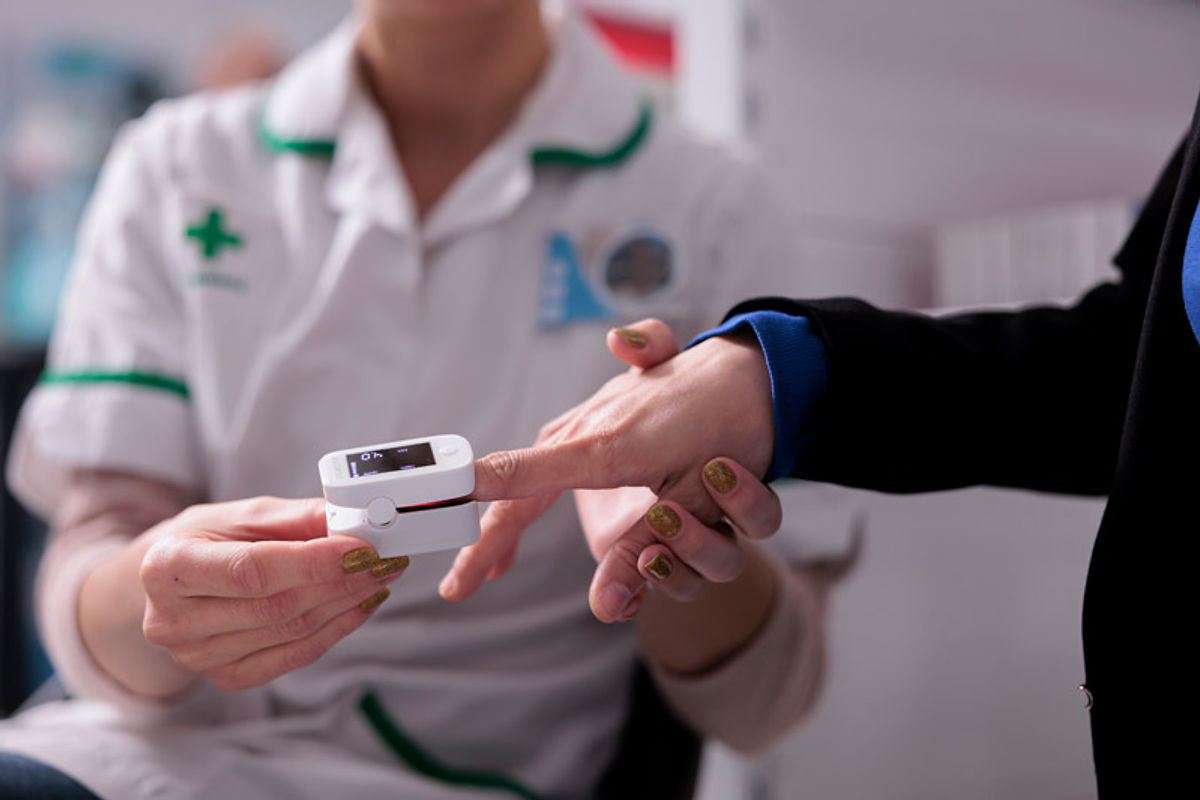
These sensors, like ECG patches, pulse oximeters, and external glucose monitors, are easier to deploy and do not require surgical procedures. They are widely used in home health monitoring due to their ease of use and ability to provide immediate feedback without the risks associated with implantation.
However, external sensors may suffer from lower accuracy due to factors like skin impedance or external environmental interference and typically require frequent recalibration and maintenance.
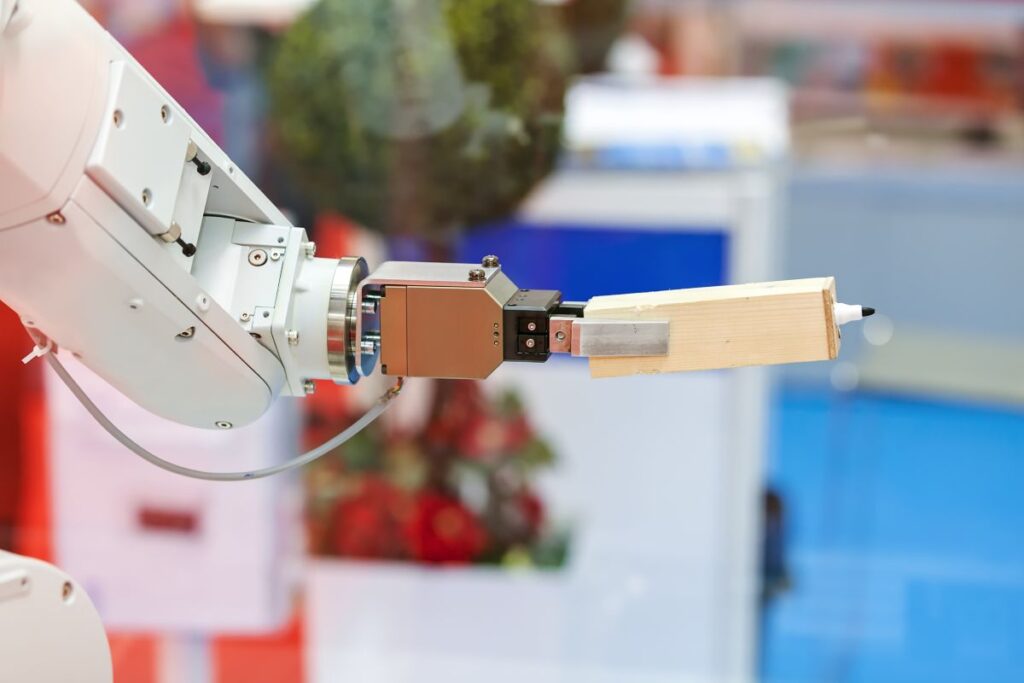
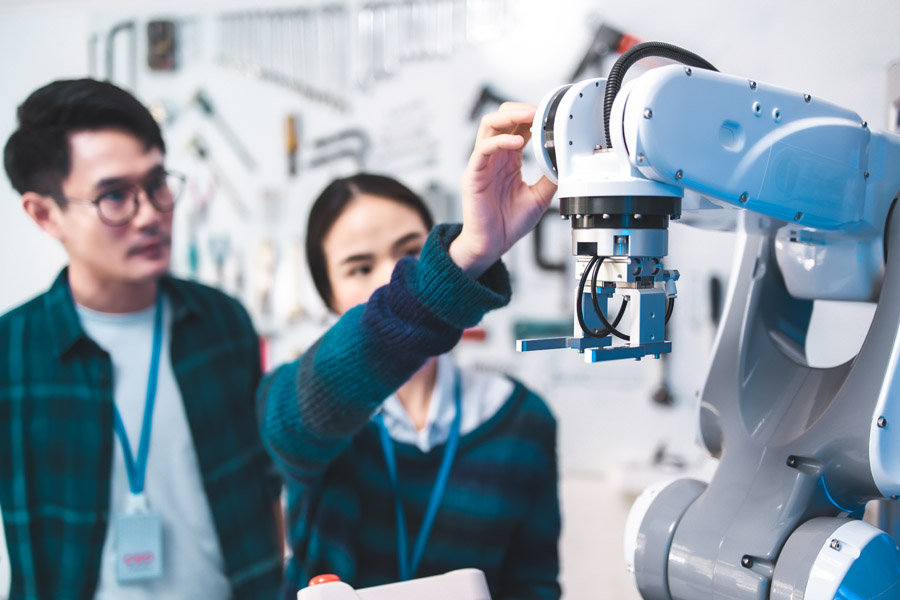
Sensors in Medical Robots
Biomedical sensors are critical components in medical robots, enabling precise and responsive interaction with the human body. These sensors provide real-time data on physiological parameters such as muscle activity, tissue pressure, and biochemical signals, which are essential for performing complex medical procedures and assisting in rehabilitation.
In surgical robots, for instance, force and tactile sensors allow for delicate manipulations with high precision, reducing the risk of injury. Similarly, in rehabilitation robots, sensors like accelerometers and gyroscopes monitor patient movements, providing feedback to optimize therapy and improve recovery outcomes.
By integrating advanced biomedical sensors, biomedical robots can deliver more accurate, personalized, and effective healthcare solutions, enhancing both diagnosis and treatment.
Challenges and Future Trends in Medical Sensors
Miniaturization and Integration
Miniaturization enables sensors to be integrated into smaller, less obtrusive medical devices, improving patient comfort and compliance.
This requires innovations in microfabrication techniques and the development of low-power electronics to ensure reliable performance in compact form factors without compromising functionality.
Data Security and Privacy
As medical sensors generate vast amounts of sensitive health data, ensuring data security and privacy is a significant challenge. The wireless transmission of sensor data increases vulnerability to cyber threats, requiring robust encryption methods and secure data management protocols.
Artificial Intelligence
The integration of artificial intelligence (AI) with medical sensors enhances data analysis and interpretation capabilities. AI algorithms can process complex sensor data in real time, detect patterns, and predict health outcomes more accurately than traditional methods.
Emerging Sensor Technologies
Nanotechnology and biocompatible materials are leading the development of next-generation sensors.
Nanotechnology enables the creation of highly sensitive sensors that can detect minute physiological changes at the molecular level, providing earlier and more accurate diagnostics.
Biocompatible materials enhance the integration of sensors with biological tissues, reducing immune responses and increasing the longevity of implantable devices.
Conclusion

Medical sensors are revolutionizing healthcare by enabling continuous, real-time monitoring and more precise diagnostics, both in clinical settings and at home. The future of medical sensors lies in overcoming challenges related to miniaturization, data security, AI integration, and the use of advanced materials, driving innovation towards more compact, intelligent, and biocompatible solutions.
Bota Systems is at the forefront of this innovation, developing state-of-the-art sensors that integrate seamlessly into various medical applications.
With a focus on precision, reliability, and ease of use, Bota Systems’ force torque sensors are designed to meet the evolving needs of healthcare providers and patients alike. By leveraging cutting-edge technologies and materials, Bota Systems is contributing to the next generation of medical sensors that are not only more effective but also more adaptable to the complex demands of modern medicine.