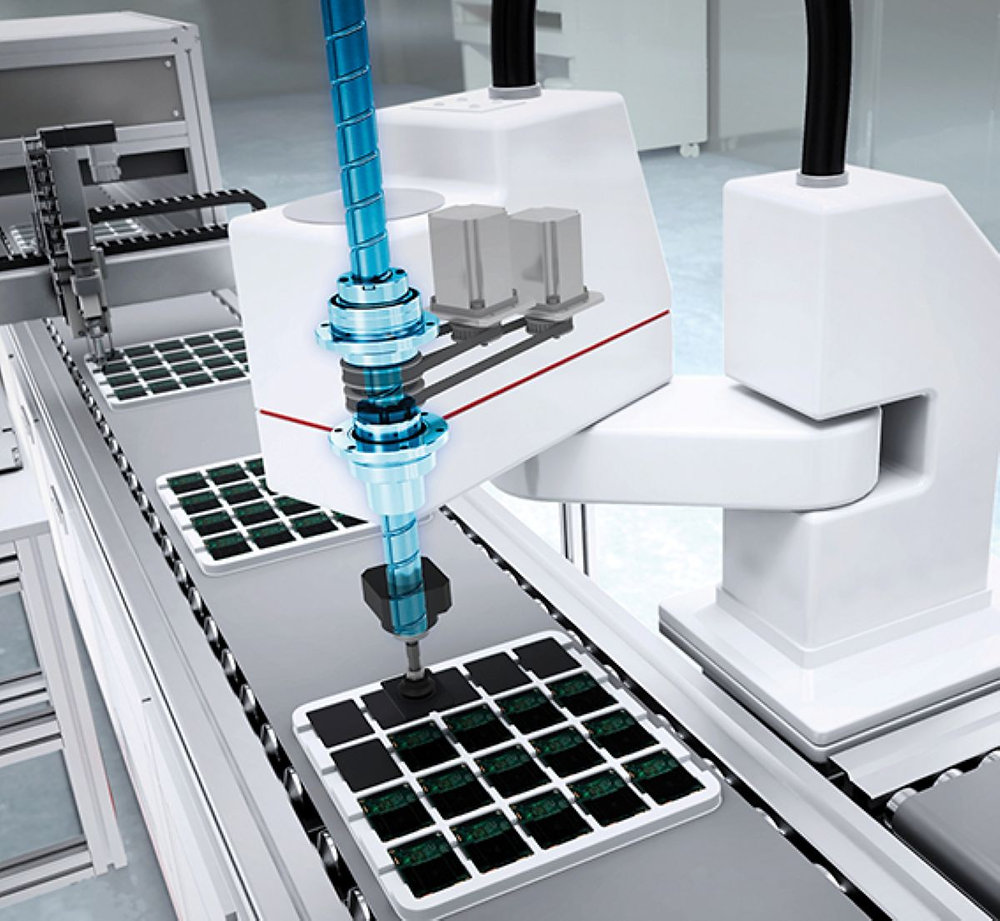
In the world of research robots and precision measurement systems, load cells play a crucial role. Understanding how load cells work is essential for those involved in automation, robotics, and various scientific applications.
This article will dive deep into what load cells are, how load cells work, and their importance in different sectors, particularly in load cell weighing and load transducer applications.
What Are Load Cells?
Load cells are transducers that convert force into an electrical signal. This signal can be measured and interpreted to determine the amount of force or weight applied to the load cell.
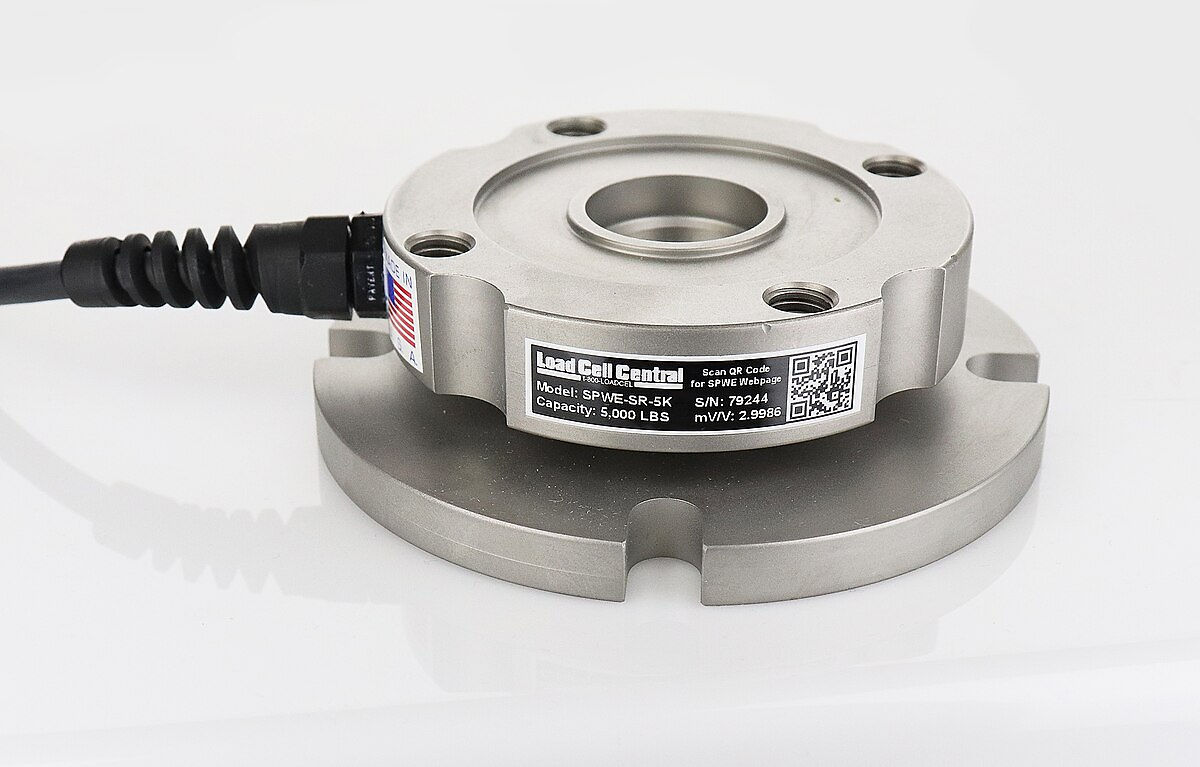
The most common types of load cell sensors used in various applications include strain gauge load cells, hydraulic load cells, and pneumatic load cells. Each type operates differently but serves the same purpose: to provide accurate force measurement.
Types of Load Cells
Load cells come in various types, each suited for specific applications. Understanding the different types can help in choosing the right load cell sensor for a particular use case.
Strain Gauge Load Cells
Strain gauge load cells are the most common type used in industrial and research applications. They operate on the principle of electrical resistance and are highly accurate, making them ideal for precision measurements.
Hydraulic Load Cells
Hydraulic load cells use fluid pressure to measure force. When a load is applied, it creates pressure in the fluid, which is then measured to determine the force.
These load cells are robust and can be used in harsh environments where electrical components may fail.
Pneumatic Load Cells
Pneumatic load cells operate similarly to hydraulic ones but use air pressure instead of fluid. They are often used in environments where cleanliness and hygiene are critical, such as in food processing or pharmaceutical manufacturing.
Inductive and Reluctance Load Cells
These load cells operate based on changes in inductance or magnetic reluctance when a load is applied.
These load cells use a magnetic core and coil arrangement where the displacement of the core alters the inductance, producing a measurable signal proportional to the applied force. They are highly durable and suitable for harsh environments.
Magnetostrictive Load Cells
They work by measuring the change in magnetic properties of a material under stress. When a load is applied, the material’s magnetic permeability changes, which can be detected and converted into an electrical signal.
These load cells are known for their robustness and are often used in industrial applications requiring long-term stability and minimal drift.

How Do Load Cells Work?
The working principle of the load cell depends on the type of technology behind it. Let’s talk about strain gauge load sensors in this article as they are one of the most common load cells used in the robotics industry.
The most common type of strain gauge is the resistive strain gauge, which operates on the principle that a material’s electrical resistance changes in response to strain.
Typically, a strain gauge consists of a thin metallic foil arranged in a grid pattern and attached to a backing material that can be easily bonded to the object under measurement. When a force is applied to a load cell, the strain gauge attached to the load-bearing structure (usually made of steel or aluminum) deforms.
This deformation causes a change in the length and cross-sectional area of the metallic grid in the strain gauge thus causing a change in the resistance. This change in resistance is very small, typically in the order of micro-ohms, and needs to be accurately measured.
To measure the tiny changes in resistance, strain gauges are typically connected in a Wheatstone bridge circuit. The Wheatstone bridge consists of four resistive arms, with the strain gauge forming one or more of these arms. The bridge is balanced when there is no load (i.e., no strain), meaning that the voltage difference between the two midpoints of the bridge is zero.
When a force is applied to the load cell, the strain gauge deforms, altering its resistance and unbalancing the bridge. This imbalance causes a small voltage difference, known as the bridge output voltage, which is proportional to the strain (and hence the force) applied.
In other words, the circuit amplifies the signal and converts it into a measurable output that can be interpreted by a digital readout or a computer system. This process is crucial for load cell weighing applications, where precision and accuracy are paramount.
Applications of Load Cells in Research Robots
Research robots are sophisticated machines designed to perform tasks that require high precision and accuracy. These robots are often used in laboratories, manufacturing, and other industries where exact measurements and control are vital.
A key component that enables research robots to function effectively is the load cell sensor. These sensors ensure that the robots can measure force, weight, and other parameters accurately, making them indispensable in the field of research and development.They are used in various applications, including:
Force Measurement
Load cells are used to measure the force exerted by research robots during different tasks. This measurement is crucial for ensuring that the robot applies the correct amount of force in delicate operations.
Weight Measurement
Load cells for weighing are used in robots to measure the weight of objects they handle. This capability is vital in industries where precise weight measurements are required, such as in pharmaceutical research or material testing.
Safety and Compliance
Load cell sensors are also used in research robots to ensure safety and compliance with industry standards. By accurately measuring force and weight, these sensors help prevent accidents and ensure that operations are carried out within safe parameters.
Importance of Load Cells in Research and Industry
The use of load cells in research robots and other industries cannot be overstated. These sensors are critical for ensuring precision and accuracy in various applications, from manufacturing to scientific research.
By providing reliable measurements, load cells enable researchers and engineers to develop new technologies, improve existing processes, and ensure that products meet the highest standards of quality.
How to Choose the Right Load Cell
When selecting a load cell for your application, several factors need to be considered:
Capacity
Choose a load cell with a capacity that matches the maximum force or weight you expect to measure. Using a load cell with too high a capacity can lead to inaccurate readings, while one with too low a capacity may be damaged by overloading.
Environment
Consider the environment in which the load cell will be used. For example, if the load cell will be exposed to moisture, dust, or extreme temperatures, choose a model that is designed to withstand these conditions.
Accuracy
The accuracy of the load cell is crucial for applications where precise measurements are required. Ensure that the load cell you choose has the necessary accuracy for your application.
Compatibility
Make sure the load cell is compatible with your existing equipment and systems. This includes checking the electrical output, mounting options, and interface requirements.
Bota Systems in Precision Measurement
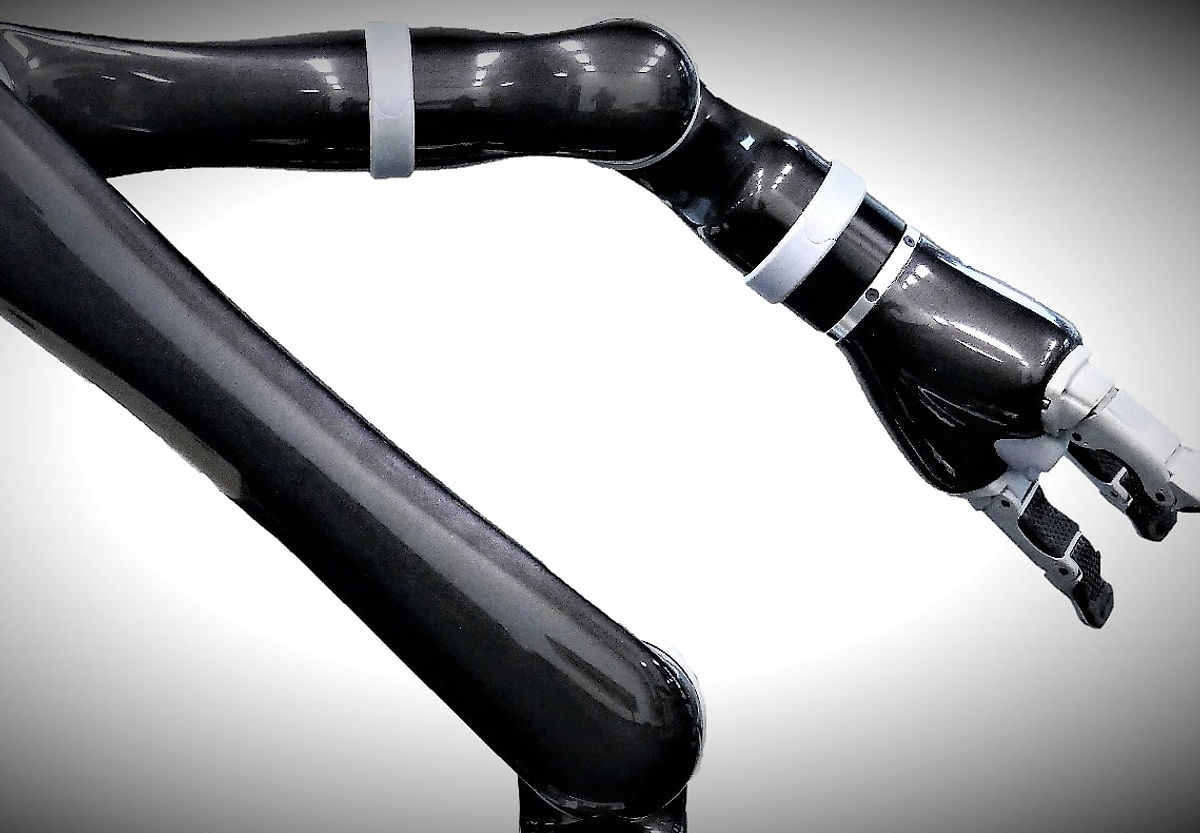
In the context of research robots and precision measurement systems, companies like Bota Systems are at the forefront of integrating advanced sensing technologies, including load cell sensors, into robotic platforms.
Bota Systems specializes in developing high-performance force torque sensors that enhance the capabilities of research robots. Our products are designed to offer precise and reliable measurements, which are critical for applications such as robotic manipulation, haptic feedback, and force control.
By incorporating Bota Systems’ load cells into your research or industrial processes, you can significantly improve the accuracy and performance of your robotic systems, ensuring that they meet the demanding requirements of modern research and development.
Conclusion
In the world of research robots and precision measurement, load cells are indispensable tools. Understanding how load cells work and their various applications can help you make informed decisions when selecting the right load cell for your needs.
Whether you are involved in industrial automation, scientific research, or any field that requires accurate force and weight measurements, load cell sensors will continue to play a vital role in advancing technology and ensuring precision in every operation.
By integrating load cells into research robots and other applications, engineers and researchers can achieve higher levels of accuracy, safety, and efficiency, driving innovation and progress in various industries.