Packaging robots are becoming common in many industries, including manufacturing, pharmaceuticals, food, and beverages, to list but a few sectors. In 2023, the packaging robots market was valued at roughly $4.07 billion, and analysts project it will reach around $8.03 billion by 2033, growing at a compound annual growth rate (CAGR) of 7.04% between 2024 and 2033.
In this blog post, we’ll explore what robotic packaging is, industries using the technology, the applications of packing robots, and the benefits of employing them in the packaging process.
What Is Robotic Packaging?
Robotic packaging involves the use of automated robots and machines to handle packaging tasks.
Robotic packaging systems include independent robots that perform specific tasks, such as picking and placing packages, or robots integrated into broader production processes, such as assembly lines.
Industries Using Robotics Packaging
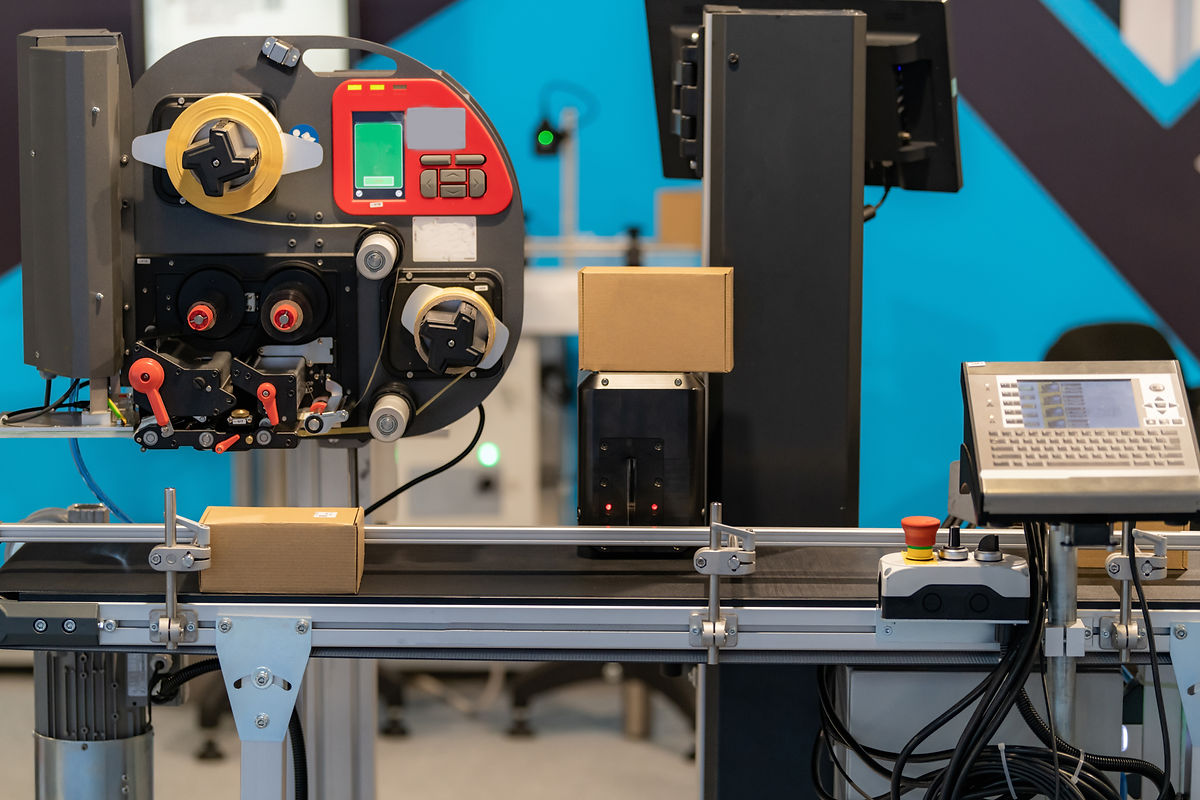
Packaging robots are versatile robots employed in multiple industries. Generally, any industry that packages products before shipping them can leverage the technology. Some industries that use packaging robots include:
Food and beverage
Manufacturing
Logistics
Automotive
Common Applications of Packaging Robots
Packaging robots are versatile robots that can perform a variety of tasks. From placing manufactured goods into boxes to palletizing products for dispatch, packaging robots can automate various processes. Here are common use cases of robots that carry out packaging:
Picking and Placing
Packaging robots are adept at picking and placing tasks. Pick and place robots can pick products from conveyor belts, place them into packages, and even assemble components.
For instance, in manufacturing, pick-and-place robots place tiny electrical components onto circuit boards with remarkable precision. This makes them integral to the manufacture of laptops, smartphones, refrigerators, microwaves, and other electronic appliances.
Boxing
Boxing typically involves picking up individually packaged goods and grouping them into different boxes. Robots are well suited to box products quickly and accurately.
Inspection
Robots for packaging aren’t just limited to packaging. Some robots also have advanced vision systems and sensors that can inspect products for any defects before they’re packaged and remove defective components.
Depanning
Depanning is one of the more specialized tasks that packaging robots perform. Commercially baked goods like cupcakes often need to be depanned after cooking to be packaged.
Depanning is a delicate process that robots excel at. Unlike humans, robots have robotic arms that can meticulously remove baked products from their pans without damaging them.
Palletizing
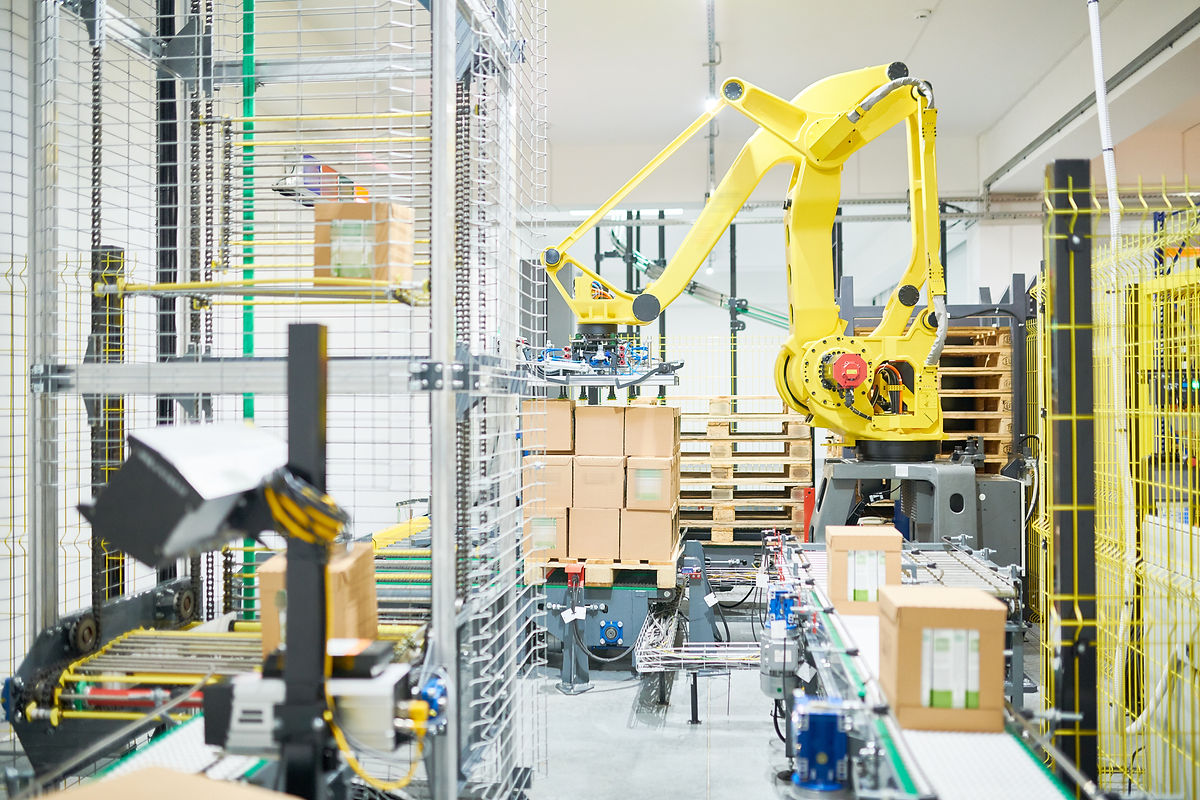
Manufacturers often palletize products after packaging them for easy storage or dispatch. Packaging robots can rapidly and accurately stack products onto pallets, preparing them for shipping.
This makes palletizing robots especially useful in warehouses with minimal space or those where it’s vital to stack products securely to prevent product damage or workplace injuries.

Robots Used In Packaging
Different types of packaging robots are designed to perform different tasks. As a result, there’s no one-size-fits-all robot that’s suitable for all packaging applications. That said, here are common types of robots used for packaging:
Articulated robots: These robots have axes that give them a wide range of motion. They have a human-like robotic arm that makes them useful for picking and placing items.
Cartesian robots: These robots move along three axes: up, down, and horizontally. This feature makes them suitable for palletizing, heavy lifting, and precision spot welding.
SCARA robots: The Selective Compliance Articulated Robot Arm (SCARA) is a unique robot that excels at picking and placing tasks. It’s valued for its speed, precision, and compactness and is often used in industries that produce small components or products in high volumes.
Delta robots: Delta robots have three large sweeping arms designed to work in parallel. They are primarily used for pick and place operations, such as primary packaging.
Collaborative robots: Also known as cobots, these robots are designed to work hand in hand with humans and can assist with various tasks, including picking and placing work and packaging.
All these robots excel at different tasks, and some are better suited to certain applications than others.
For instance, while SCARA robots excel at tasks where speed and accuracy are paramount, they aren’t suitable for heavy payloads. As a result, when choosing robots for packaging, it’s important to consider factors such as speed, reach, and payload capacity.
Benefits of Packaging Robots
Robotic packaging systems offer numerous benefits. Here are some of their key advantages:
Increased Efficiency
Packaging robots can perform repetitive and dull tasks with remarkable precision and speed. Unlike human workers, they can work round-the-clock without requiring breaks or experiencing fatigue.
As a result, they can expedite production and eliminate delays due to errors. For instance, by integrating palletizing systems into its packaging lines, Procter and Gamble has managed to boost production efficiency.
Enhanced Workplace Safety
Employees working in industries such as manufacturing, warehousing, and agriculture are susceptible to workplace injuries due to the physically demanding nature of their work.
Packaging robots can relieve workers from handling many strenuous tasks that could jeopardize their safety. In the food and beverage industry, manufacturers often employ robots to palletize crates, allowing workers to focus on less strenuous tasks.
For example, in New Zealand, Coca-Cola Amatil installed a fully automated robot-based order picking system to safeguard worker safety and enhance efficiency.
Reduced Packaging Costs
While the initial cost of purchasing packaging robots may be high, they can lower packaging costs in the long run.
On average, companies spend about 10 to 40% of a product’s retail price on packaging. For instance, if a product retails for $100, a company might spend between $10 to $40 on packaging, depending on the packaging materials and design. Packaging robots can lower packaging costs by increasing output and reducing labor costs.
Reduced Material Waste
Packaging robots can prevent product defects, resulting in reduced material waste. Unlike humans, robots can handle delicate tasks with utmost precision, minimizing wastage and conserving resources.
Improved Quality Control
Humans are prone to making errors, resulting in sloppy packaging, inefficient use of warehouse storage, and inconsistent parts or products across packages.
These issues can result in product damage during shipping, lost revenue, and reduced client satisfaction. Packaging robots are less likely to commit errors, reducing the risks associated with poor packaging.
Reduced Downtime
Human workers may require breaks, sick-offs, and time off from work. This can result in downtime and delays. Downtime can cost manufacturers a staggering $260,000 per hour. Packaging robots can work round-the-clock without experiencing fatigue, resulting in reduced downtime or delays.
Reduced Bottlenecks
The packaging industry faces several challenges. In recent years, attracting skilled workers has been one of the biggest challenges many manufacturers face. For instance, in the U.S., it is estimated that nearly 2.1 million manufacturing jobs could go unfilled by 2030 due to a skills gap.
Packaging robots can compensate for labor shortages by taking up routine and repetitive tasks, allowing human workers to focus on higher-level tasks.
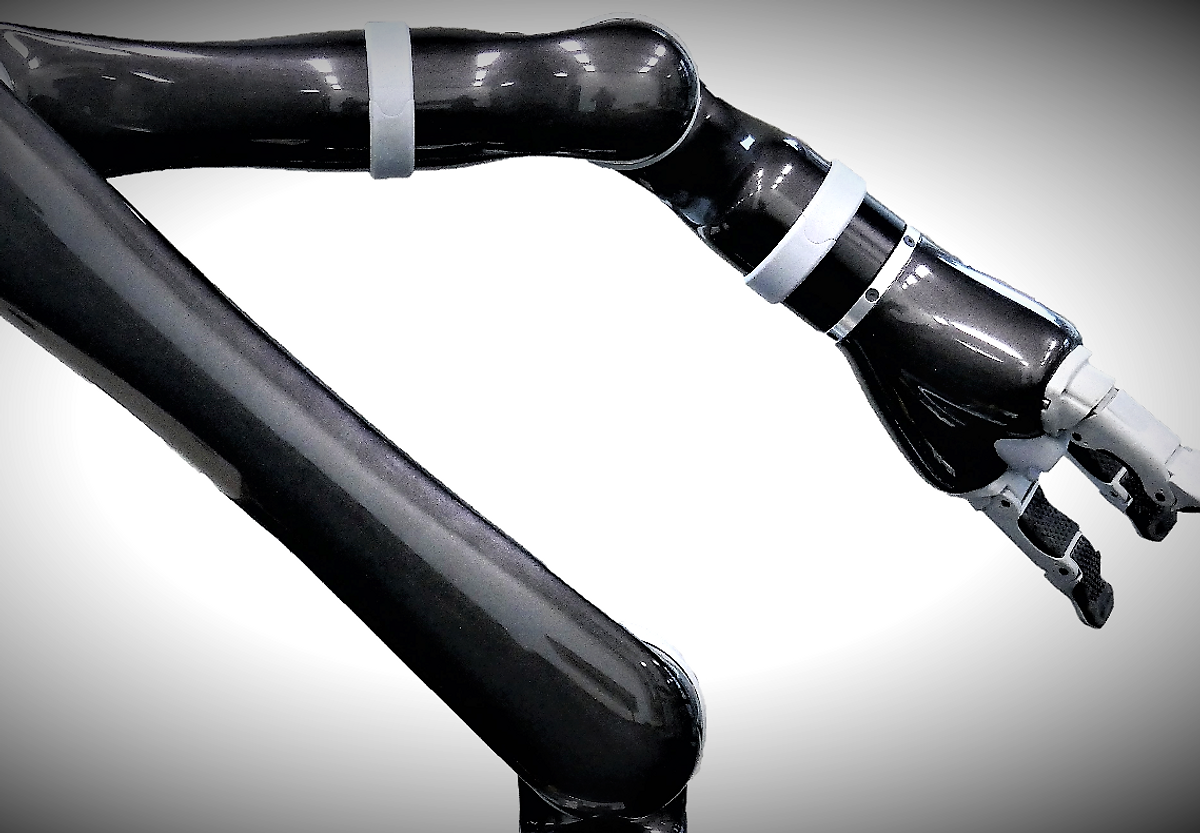
Maximizing Packaging Robot Efficiency with Force Torque Sensors
As packaging robots become increasingly vital across diverse industries, the integration of advanced technologies like force torque sensors plays a crucial role in enhancing their precision, efficiency, and flexibility in tasks such as picking, placing, palletizing, and inspection.
As automation continues to drive the packaging industry forward, incorporating force torque sensors allows robots to tackle a wide range of tasks with speed and reliability.
To learn how Bota Systems’ innovative force torque sensors can enhance your packaging operations, contact us today to discover tailored solutions for your automation needs!
Sources
- Deloitte Insights. (2024, September 9). Creating pathways for tomorrow’s workforce today. Link
- Madhurakavi, M. (2024, April 9). Understanding the cost of packaging. Link
- Pingdom. (2023, January 13). Average cost of downtime per industry. Link
- Retail World Magazine. (2018, April 12). Fully automated mixed-pallet technology for Coca-Cola Amatil. Link
- SpendEdge. (2024, July 9). Robotics in packaging industry: Market disruption report. Link
- The Brainy Insights. (n.d.). Packaging robots market size share report 2024. Link