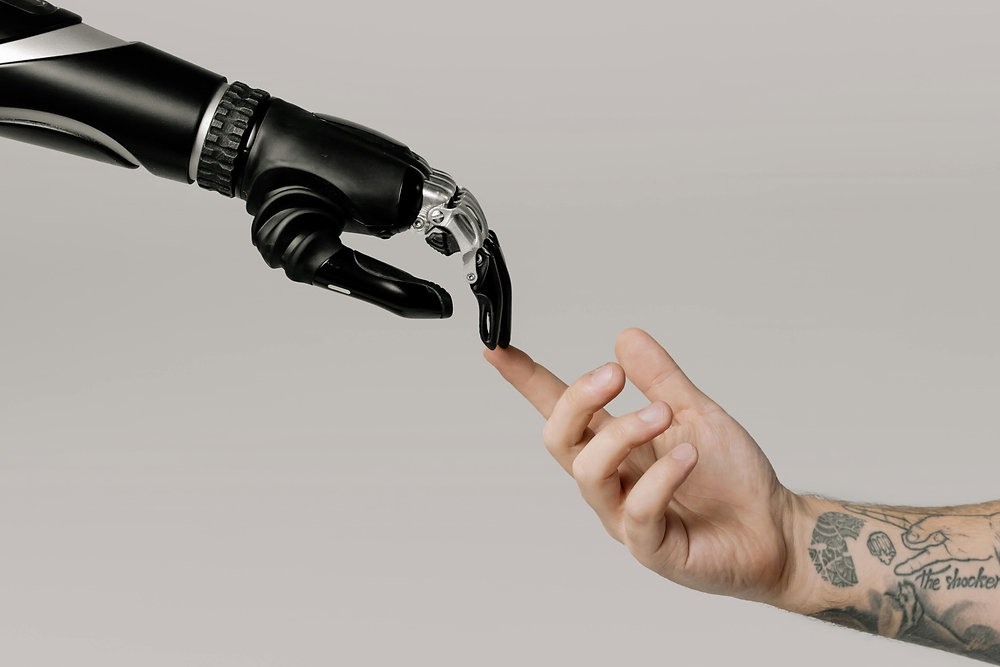
Robots handle some of the toughest yet complex tasks in the modern world. Automotive robots help handle complex painting and conduct difficult finishing tasks, and they give vehicles customizable, durable, and flawless exteriors. The transition has benefited quality improvement, massive production, and a positive change in economics and the environment.
According to Fortune Business Insights, the global automotive robotics market will be at $8.82 billion in 2023. It is projected to move from $9.9 billion in 2024 to $26.76 billion in 2032.
The automotive industry has been utilizing robots since the early 1980s, with companies like BMW and Mercedes-Benz employing them for tasks such as painting and finishing. The International Federation of Robotics (IFR) states that the installation of robotics rose by 12% in 2022 reaching 41, 624 units in North America.
Here is a thorough guide to how incredible this innovation has been since its inception:
What Are Automotive Manufacturing Robots?
These are machinery that assist in the car manufacturing process. The majority of car assembly plants use robots for painting and welding. However, robotics in the car industry can be used in other sectors, including the supply chain. Car components vary widely across different vehicles, requiring numerous intricate manufacturing processes to produce them.

Robotics In The Automotive Industry
Robots are made to carry out different repetitive tasks. That relieves humans of some of the strenuous tasks. Since robots are equipped with artificial intelligence and machine vision, enabling these machines to handle different situations offers real-time feedback. Here are a couple of robotics in automotive manufacturing used by other automakers
Cobots
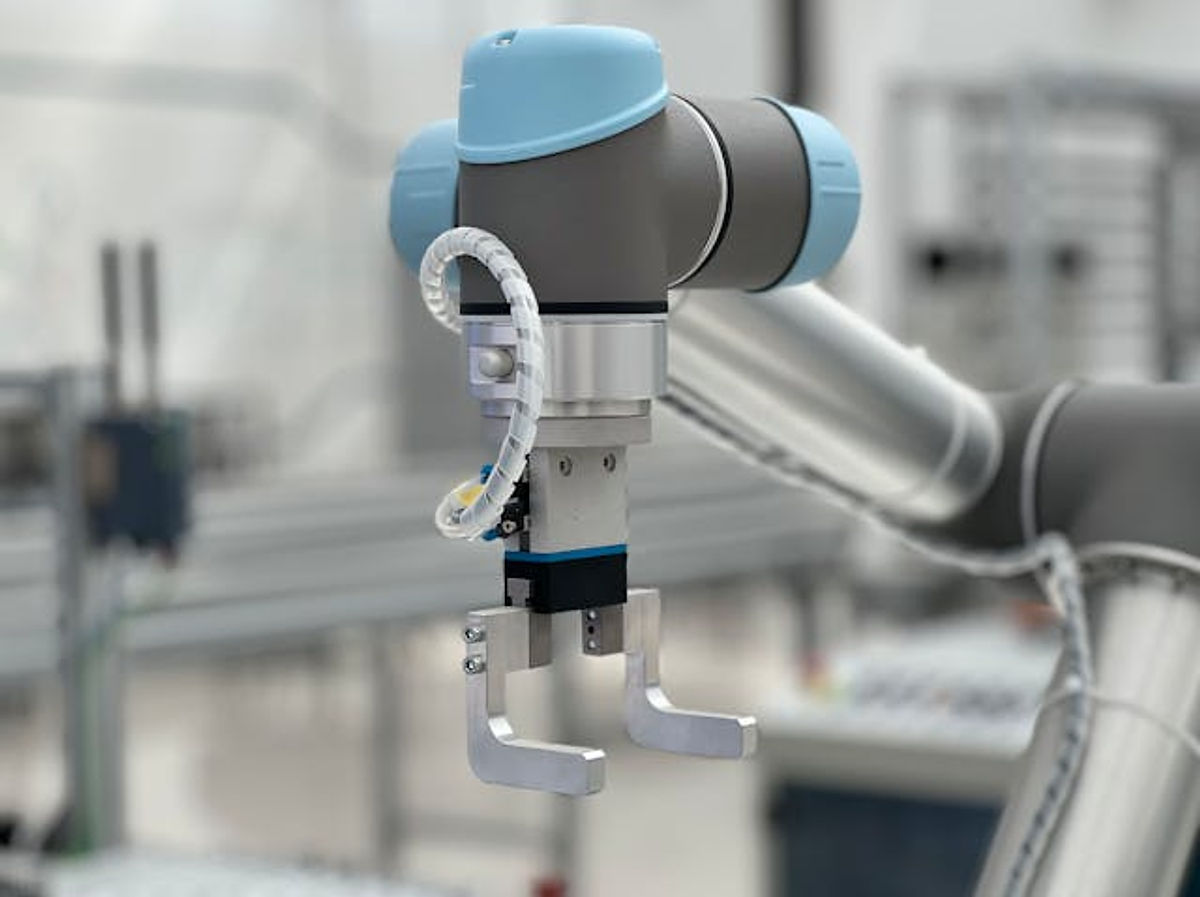
Collaborative robots, also known as cobots, are advanced industrial robots useful in maintaining work safety and thus working effectively with humans. In 2023, the cobot market was valued at $979.6 million in 2020. In the automotive industry, cobots increased productivity, thus speeding up the process.
One of the greatest problems people face in the automotive industry is injuries and quality issues. With cobots, companies minimize such problems.
Selective Compliance articulated Robotic Arm (SCARA)
SCARA robots are designed for tasks requiring high precision in a limited workspace. They are commonly used for assembly operations, such as inserting components into a motherboard. Their rigid structure allows these robots to operate at high speeds without deflection.
Articulated Robots
Articulated robots have rotary joints, ranging from simple two-joint structures to complex systems with ten or more interacting joints. These machinery are highly flexible and are commonly used for welding, assembly, and material handling.
That is one of the reasons they are an effective tool in the car manufacturing industry. Their versatility allows them to operate as car assembly robots and perform intricate tasks with high precision.
Delta Robots
Delta robots are best known due to their speed and precision. These tools have a unique parallel design. That makes them suitable for high-speed picking and packaging tasks. In automotive manufacturing, delta robots are best used as car assembly robots.
Robotics Application In The Automotive Industry
Besides robotic welding, there are other aspects that automotive robots can help ensure, such as a continuous assembly line, thus automating the full manufacturing process. That includes:
Packaging: Car Assembly robots assist in completing the vehicles and preparing the shipment. Some of these packaging processes include accurately picking and painting some of the cars’ smallest components together.
Assembling: Robots are made to assemble specific parts, such as assembling different car parts like the chassis wheel and putting the engine in the right place.
Picking: Robots are programmed to correctly collect and place car components, such as large car parts.
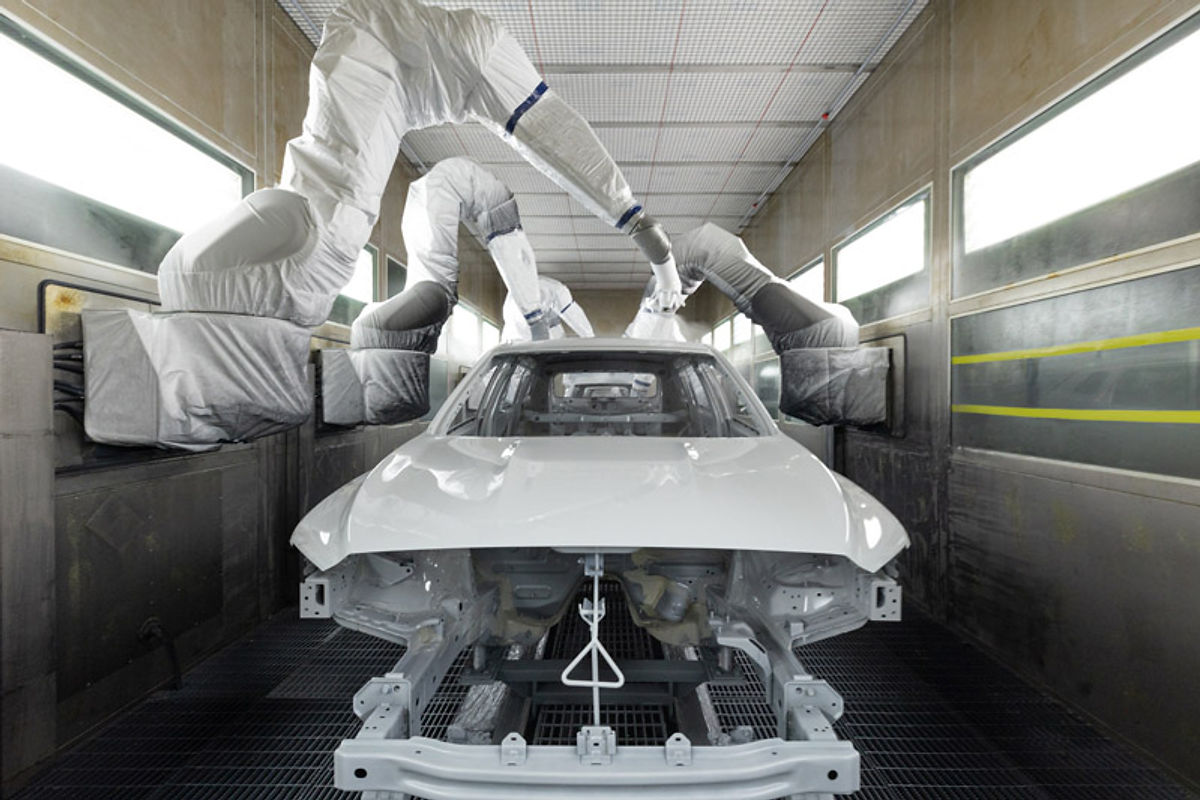
Painting: People use robots to paint and polish the entire vehicle.
Quality control: Most manufacturing firms use robotics to test and inspect the finished cars before selling them to the customers.
Handling materials: There is nothing more effective than having robots lift and move different components to complete the car.
Technologies Used In The Automotive Industry
Machine Vision
It provides an internal inspection, thus providing an analysis after an automatic inspection. Machine vision is the mother load to high-end technologies, hardware and software products, and expertise. Machine vision assists in automotive automation by analyzing the software and correcting the issues, thus saving money.
Autonomous Cars
Artificial intelligence is one of the best ways to perform many tasks quickly. The world of autonomous vehicles was worth $24 billion in 2021 and will reach $62 billion in 2026.
The self-driving capabilities thus help with internal mapping of the streets, locality, and region. It could help train self-driving cars to detect people and motorcycles and navigate traffic rules and obstacles.
Cognitive Computing In IoT-Connected Cars
These are technological platforms that help with signaling and artificial intelligence. The platform has machine learning, speech, object, human learning, human language processing, and reasoning.
When connected to the vehicles, the platform assists in building safe and non-intervening traffic. Some companies use these automotive robots to link all the driving patterns to mimic human emotions. Therefore, this allows for possible scenarios, including applying brakes on time to prevent accidents.

Benefits Of Using Robots In Automotive Manufacturing
There are a lot of advantages to integrating robots in automotive manufacturing. That includes:
1. Increased Efficiency
With robots, you are assured of having your operations running 24/7. There is no fatigue, which significantly increases production. Notably, robots perform repetitive tasks faster and more accurately than human workers. That reduces production times and also increases output.
2. Leads to Improved Quality
There is no better way to increase precision and consistency than using robots. Auto robots ensure high-quality production, which minimizes human error and helps produce parts and assemblies with greater accuracy, thus leading to better overall vehicle quality.
3. Safety
Robots take up all the dangerous and physically demanding tasks. That reduces work-related injuries, ensuring humans aren’t exposed to hazardous environments. Whenever an automotive assembly uses automotive robots, there’s an assurance of a safe working environment.
4. Saves On Cost And Offer Flexibility
While the initial investment in robotics is a lot, the long-term cost savings will be worth it. Robots reduce labor costs and minimize waste. Modern robots are adaptable and are reprogrammed for different tasks. This flexibility allows car manufacturers to adjust to the changing production requirements and market demands.
Challenges And Considerations
While the benefits of using robots in the automotive industry are clear, there are challenges and considerations you should have in mind to avoid disappointments:
The high initial investment when acquiring and integrating robots into manufacturing includes installation, programming, and training expenses.
Robots need regular maintenance to ensure optimal performance in your company. Therefore, downtime during repairs regularly influences production schedules.
The integration process is complicated and requires careful consideration and planning to ensure your automotive robots work seamlessly.
Will Robotics In Automobile Industries Continue Expanding?
Yes, they will. Over the last couple of years, there has been an increment in the number of car factory robots. These gadgets are essential in every stage, including assembling, picking, painting, and packaging the vehicles. Robotics ensures that there are no errors, injuries, or any other calamities.
Force torque sensors can help with optimizing the performance of automotive manufacturing robots. These sensors enable robots to precisely measure and respond to physical forces, enhancing accuracy and ensuring consistent quality.
From delicate painting tasks to intricate assembly processes, force torque sensors provide the tactile feedback necessary for robots to adapt and execute tasks with higher precision.
By incorporating these sensors, manufacturers can achieve superior control over robotic movements, resulting in improved efficiency and safety. To explore how force torque sensors can revolutionize your automotive manufacturing processes, contact Bota Systems.
FAQs
1. What Types Of Robots Are Commonly Used In Automotive Manufacturing?
The common types of robots used in automotive manufacturing include articulated robots, Cartesian robots, SCARA robots, delta robots, and collaborative robots (cobots). The best part is that each of them has specific applications and advantages. Therefore, select what your plant needs based on the task.
2. How Do Robots Improve Quality In Automotive Manufacturing?
Robots are ideal for improving quality while performing tasks and offering high precision and consistency. That reduces the likelihood of defects. Their ability to inspect components and assemblies for defects ensures that only high-quality parts are used in the final assembly.