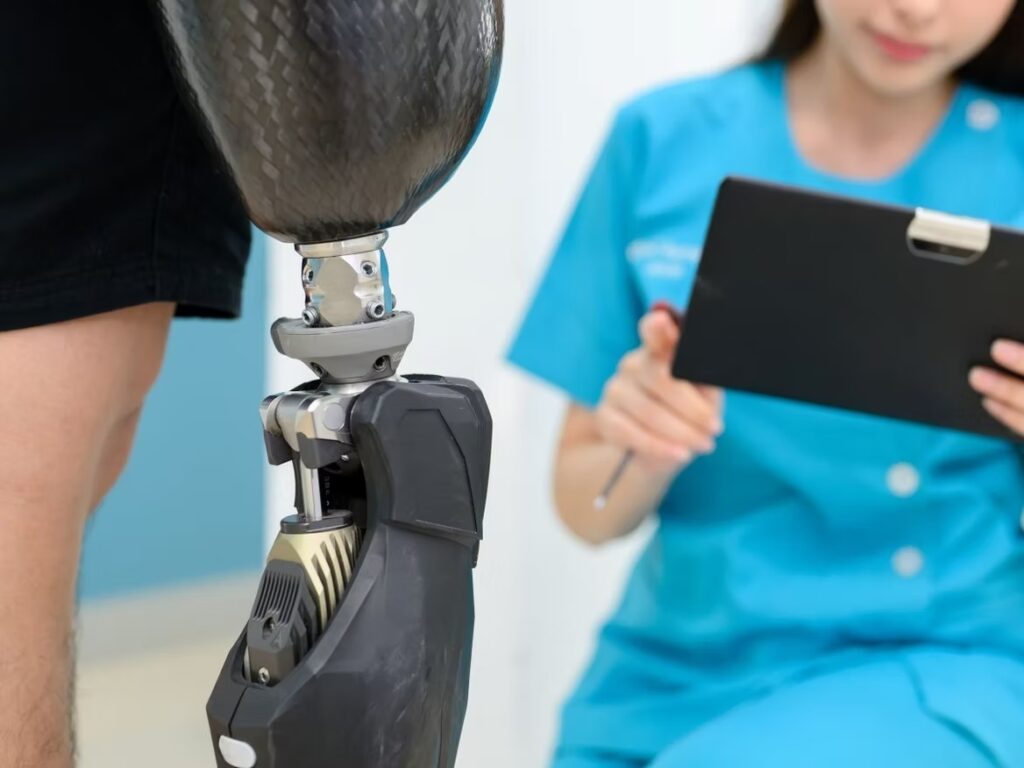
Machine tending is one of the most straightforward processes at a glance. It begins with operators loading raw materials, and after they’re machined, they have to unload the finished part and repeat the process.
Since the materials have different sizes and weights, the process often becomes repetitive, and tasks can become challenging quickly for any operator. That’s where machine tending robots come in. In 2023, machine tending robots were valued at USD 824.67 million and is expected to grow to USD 1,602.23 million in 2032.
That’s because there is expected growth in the increment of automation across manufacturing industries, advancements in robotics and technology, and the need for improved efficiency.
With these processes being handled by robots, operators can focus on improving their skills and using them for more demanding things. Here’s what there’s to know about machine tending robots and how they improve productivity in a company.
Machine Tending Robot Definition
Machine tending refers to loading and unloading materials in and out of industrial machines such as CNC machines. It is a process that involves lots of manufacturing processes, but it can quickly become repetitive.
Luckily, using machine tending robots makes the process easier. These robots are designed to automate the process since the procedure is tedious, dangerous, and requires high precision.
Having an automated cycle means improved productivity, thus reducing the machine downtime associated with manual handling and increasing consistency and efficiency.
What Are The Types Of Machine Tending Robots?
Machine tending robots are categorized into collaborative robots (cobots) and industrial robots.
According to Global News Wire, the collaborative robots market is expected to reach USD 20.8 billion in 2032. In another instance, according to a report by the International Federation of Robotics (IFR), over 4 million robots are operating in several factories around the globe, with industrial robots on the rise in Europe, registering a 9% rise from 2023.
Therefore, there will be more automation in different companies as they work on making their task more manageable. The unique characteristics of the industrial and cobots cater to the various manufacturing requirements.
Industrial Robots
Industrial robots are traditional machines that are typically powerful and can handle heavy-duty tasks with lots of precision and speed. Therefore, they are commonly used to perform high-volume yet repetitive tasks such as operating in metalworking facilities and dealing with automotive assembly lines.
Cobots
Cobots accurately represent advancements in robotic technology and are smaller than regular industrial robots. They are also designed to work alongside humans, making them suitable for different applications.
The real reason cobots are on the rise is due to labor shortages, the cost of hiring, and a surge in the logistic demands with their ability to work with humans, making them exceptional.
Cobots can work on other things, including small production batches, quality inspection, and assembly since they can be easily programmed and reprogrammed.
Key Components Of Machine Tending Robots
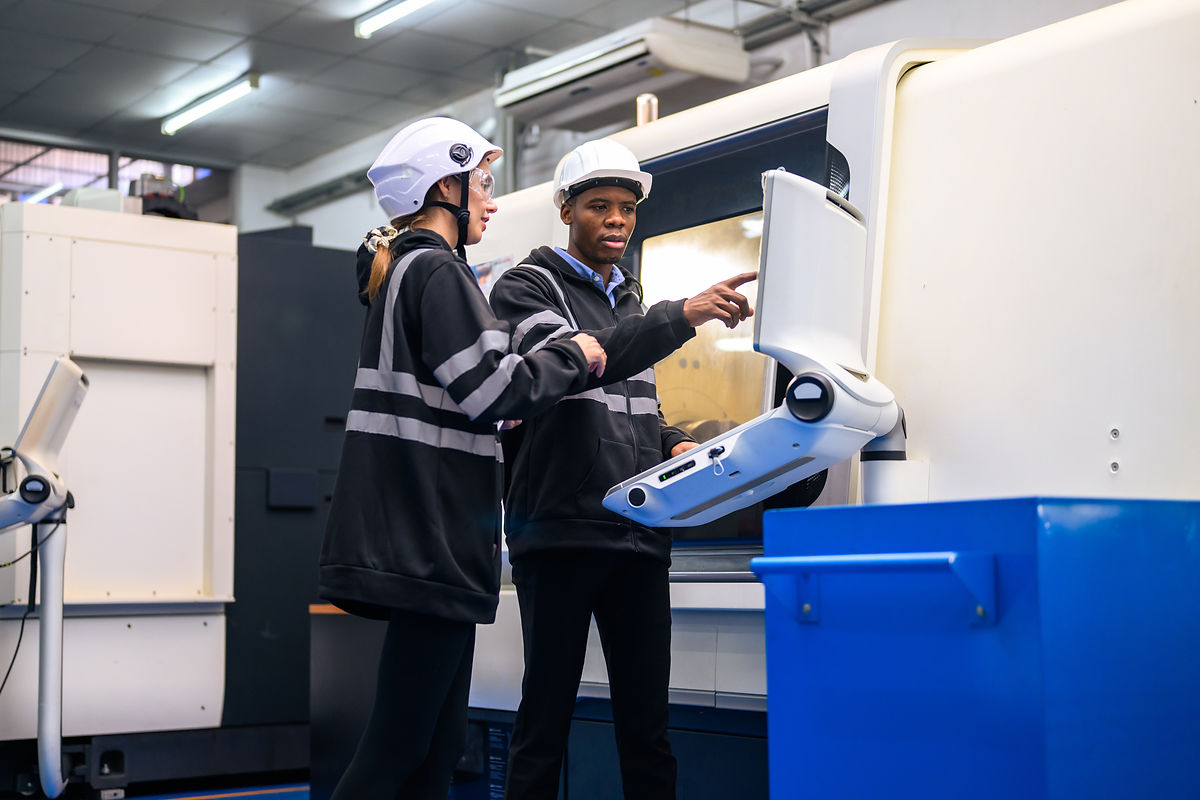
Machine tending robots have a couple of key competencies that work together to perform different tasks efficiently and precisely. These components include control systems, grippers, robotic arms, sensors, and vision systems.
Sensors And Vision Systems
These play a crucial role in enabling the machine tending robots to interact with the surroundings. Sensors such as force torque sensors and tactile and proximity sensors often offer essential information about the robots and their surroundings, mainly if a lot of force is applied in this process.
Vision systems have cameras and imaging capabilities, which allow robots to recognize every single object accurately. Therefore, vision systems and sensors are linked to ensure the machine tending robots still function well, thus keeping the processes automated.
Robotic Arms And Grippers
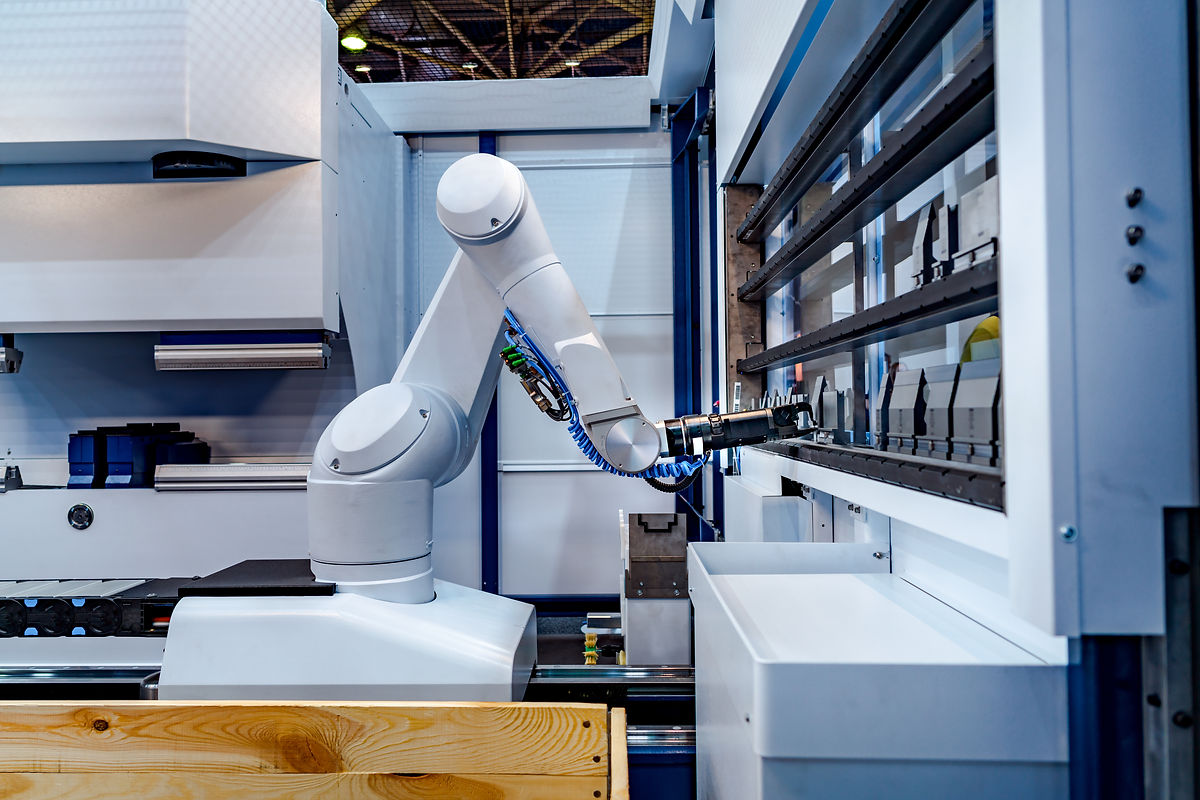
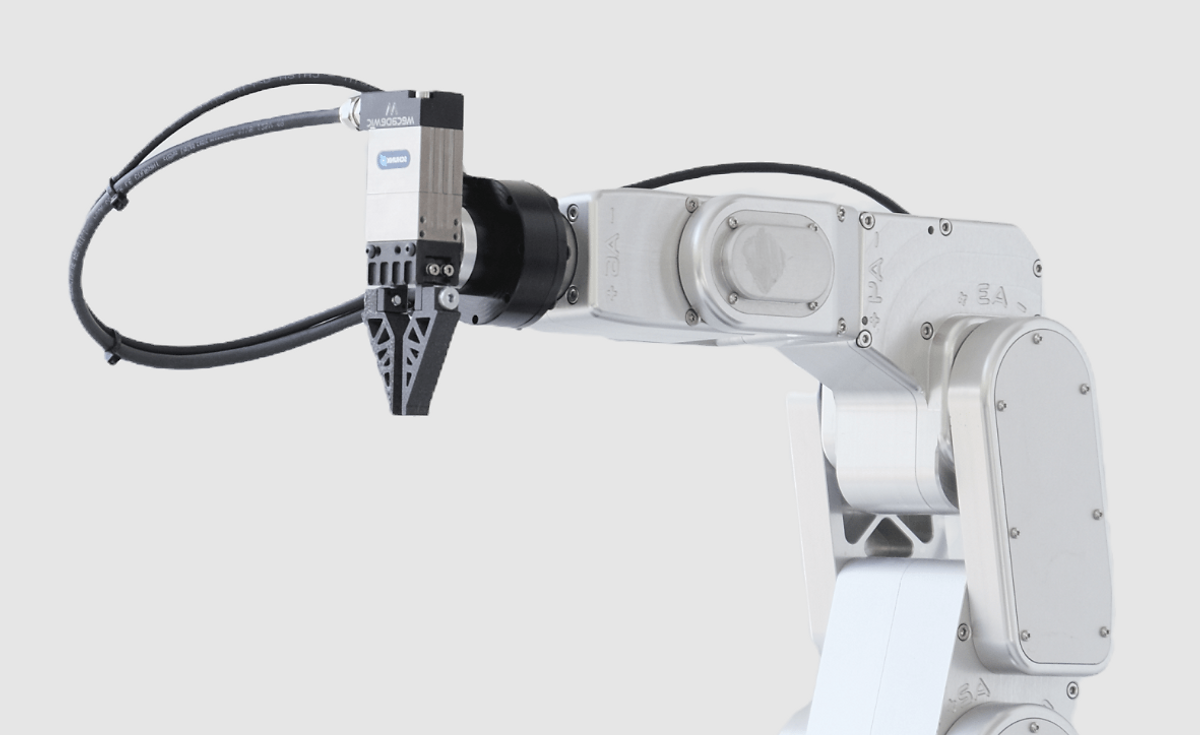
A robotic arm is a crucial part of a machine tending robot. It is designed to mimic the movements of a human arm. The robotic arms cone can be in different configurations, such as having a six- or seven-axis design that can provide a wide range of flexibility.
At the end, the robotic arm is the gripper. A gripper is an end effector tailored to specific materials or parts. The grippers vary in size, ranging from simple to sophisticated or vacuum magnetic, depending on the materials these robots handle.
Control Systems
The only way machine tending robots can be automated could be through control systems that determine the robot’s movement. These are often made of programmable logic controllers (PLCs) and human-machine interfaces (HMIs).
While PLCs are pre-programmed computers based on commands from operators and sensors, HMIs are more user-friendly interfaces for the operators to interact with.
Benefits Of Using Machine Tending Robots
Machine tending robots are used in different applications, and here are a few reasons why they have become popular:
Improves Safety
Most manufacturing settings expose people to hazardous conditions, such as toxic chemicals, high temperatures, heavy machinery, and sharp objects. Such elements often put the workers at risk, mainly when they become fatigued from repetitive tasks.
But with robots, that’s different. They can operate in these environments, thus reducing human exposure to harmful conditions, but machine tending robots provide an intervention for strenuous activities.
Increasing Productivity And Efficiency
Machine tending robots increase productivity in the manufacturing business since they can perform repetitive tasks at high speed and with the proper precision. One of the ways they do this is by reducing cycle times, which helps complete the manufacturing process from start to finish.
They minimize the loading and unloading, transfer materials, and deal with the finished products. Unlike humans, robots operate without breaks since they don’t get tired, leading to more efficiency and increased production sales.
The Cost
The manufacturing industry faces lots of labor, especially when showing operators how to work with advanced machinery. Machine tending robots assist in lowering labor expenses, thus reducing the heavy reliance on manual labor.
It doesn’t mean your business will replace humans with machine tool tending robots, but they can help the operators with a couple of representative tasks by increasing overall productivity.
What To Consider Before Integrating Machine Tending Robots
While these robots can solve various issues, some things must be regarded to ensure the manufacturing process runs smoothly. That includes aligning the existing system with the new one and evaluating the robots before getting them into production.
Integrating With Other Systems
One of the most significant challenges with new machine tending is checking if they are compatible with your systems’ existing machinery and software. Many factories have various tools from different manufacturers and vary in technology and age.
For example, with an older version of older CNC machines, there might be no necessary digital interference to connect with the robotic systems. So, work towards maximizing efficiency first so that the machine-tending robots integrate seamlessly.
What About The Training
The only way to effectively operate is by getting skilled staff, so it can be strenuous to train the staff. Some manufacturers might have employees with no experience in robotic automation.
As a result, you need comprehensive training to bridge the gap and understand the integration of robotic systems in the company. Past the training, fostering acceptance of robotic automation among the workers could be disruptive when the condition isn’t handled well.
Initial Investment Vs Return On Investment
Utilizing machine tending with robots means that businesses regularly involve a significant initial investment, which can be considerable for many companies. There are upfront costs of purchasing the robots, and integrating them into the current production systems could be quite expensive.
At the same time, these machine-tending robots have many long-term benefits, including cutting labor expenses and improving product quality. Some companies might take a couple of years to recoup the initial investment. Therefore, you should calculate your ROU to determine if it is worth it for your business.
Industries That Benefit From Machine Tending Solutions
These are different industries that might need machine tending robots, including:
Automotive and aerospace
Metal fabrication
Vehicles
Electronic industry
Plastic and injection molding
Conclusion
Machine tending robots can quickly help with productivity, efficiency, and the company’s overall output. It is a significant investment, but only if you do it right.
Using machine tending robots also increases safety and ensures that your company no longer relies on humans for repetitive tasks. These robots can be used in different manufacturing industries, including metal fabrication, injection, and molding, as well as in automation and aerospace companies.
Force torque sensors play a crucial role in enhancing the precision and efficiency of machine tending robots. By providing accurate measurements of force and torque, these sensors enable robots to perform delicate and complex tasks with greater accuracy and control.
Contact Bota Systems to learn how our advanced force torque sensors can help optimize your robotic operations and take your manufacturing efficiency to the next level.