Ever experienced that satisfying click when you perfectly tighten a bolt? That moment when you know it’s secure but not over-tightened?
Now, imagine achieving that same level of precision—not by hand, but through a machine.
That’s the magic of torque transducers. These devices ensure machines operate safely and efficiently by measuring the twisting force, or torque, being applied.
Let’s dive into the fascinating world of torque transducers, exploring how they function, their diverse applications, and the promising future they hold.
How Do Torque Transducers Work?
Before we get into the details of how a torque transducer operates, it’s essential to grasp the concept of torque.
Torque is the force that drives rotation and is a fundamental aspect of countless mechanical systems. Whether assessing the torque of an engine, the twist of a bolt, or the spin of a wind turbine, precise torque measurement is crucial.
In technical terms, torque is the product of force and distance, measured in units like Newton-meters (Nm) or pound-feet (lb-ft).
A torque transducer works by detecting the twisting or rotational force applied to an object. When torque is exerted on a shaft or surface, it causes deformation or strain in the material. This deformation is then measured and translated into an electrical signal that represents the applied torque.
Torque transducers typically function using one of the following methods:
Strain Gauges – These tiny devices deform when torque is applied, and the resulting change in electrical resistance is measured to determine torque.
Magnetoelastic Sensors – These operate by detecting changes in a magnetic field caused by torque, producing an electrical output.
Optical Sensors – Utilizing light-based measurement techniques, such as interferometry or polarimetry, these sensors detect torque-induced deformations through changes in optical properties.
Each sensing method offers unique advantages, and the best choice depends on factors such as required precision, environmental conditions, and application-specific needs.
By understanding these principles, engineers can select the optimal torque transducer to ensure accurate and reliable torque measurement in various industries.

Key Components of a Torque Transducer
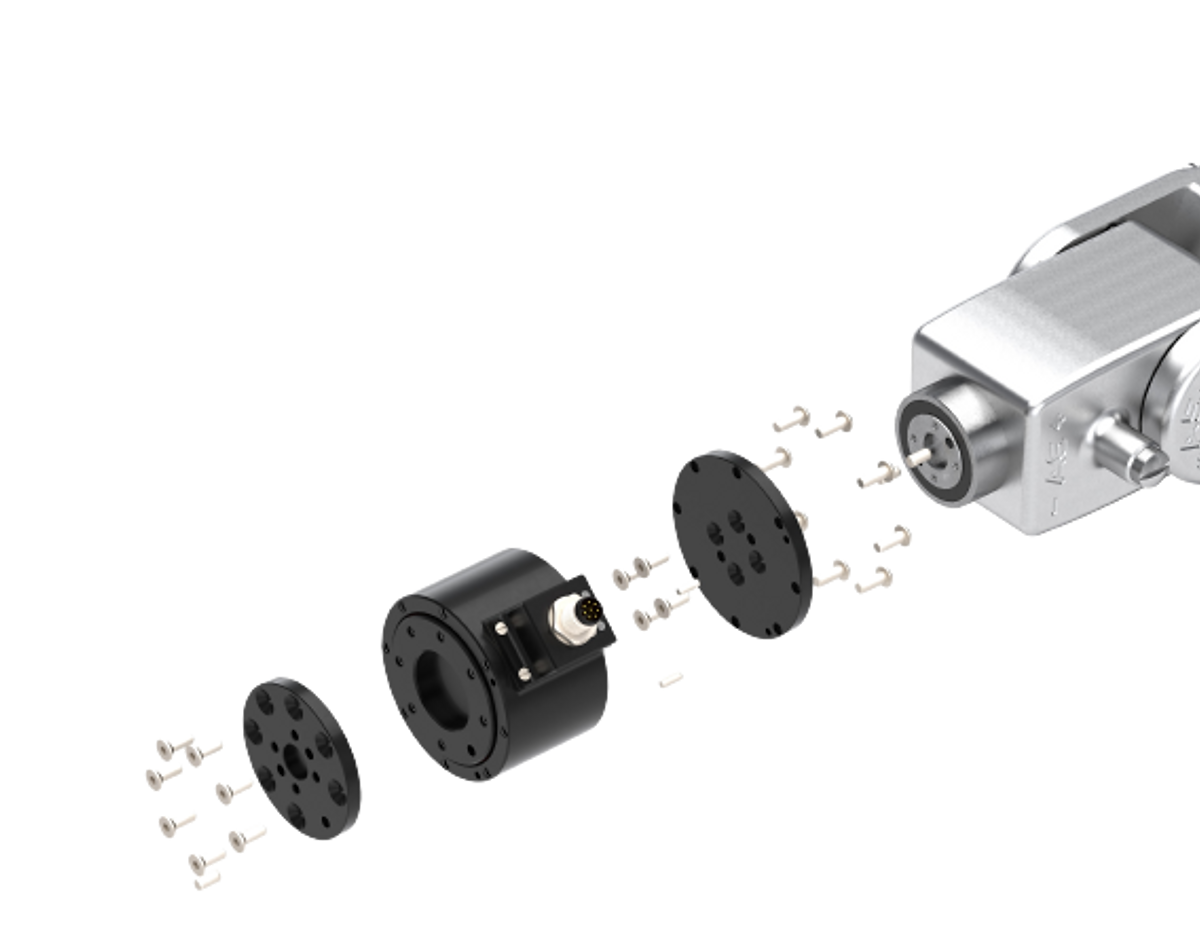
Torque transducers consist of several essential components that contribute to their accuracy and reliability:
Strain Gauges – The most common component, strain gauges consist of thin wires or foil patterns that change resistance when deformed by torque.
Rotating Shaft – Many torque transducers use a rotating shaft to transfer torque from the source to the sensor, typically made from durable materials like steel.
Signal Conditioning Circuitry – This amplifies and processes sensor signals to ensure accurate torque readings before they are analyzed further.
Protective Housing & Mounting Mechanism – These protect the transducer from mechanical stress and environmental factors while providing a secure attachment to the measured system.
Types of Torque Transducers
Static Torque Transducers
Designed for stationary or slow-moving systems, these are commonly used in calibration, quality control, and assembly line monitoring.
Dynamic Torque Transducers
Ideal for high-speed applications, offering real-time data for use in automotive testing and machinery diagnostics.
Shaft Torque Transducers
Mounted directly on rotating shafts, these provide direct torque measurements, crucial in applications like engine testing.
Rotary Torque Transducers
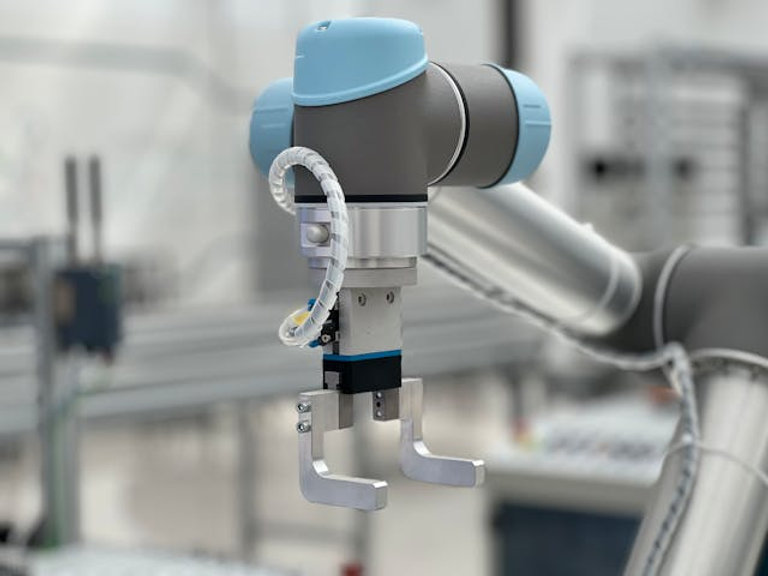
Highly versatile and precise, these are widely used in robotics, automation, and renewable energy industries.
Inline Torque Transducers
Integrated into existing machinery, these transducers enable seamless torque measurement in various industrial settings.
Non-Contact Torque Transducers
Utilizing optical or magnetic sensing, these eliminate physical contact, making them ideal for delicate or high-speed applications.
Motor Torque Transducers
Embedded within motors, they enable precise torque monitoring for robotics, medical devices, and automation.
Torque Transducers vs. Torque Sensors
The terms torque transducer and torque sensor are often used interchangeably, but there is a subtle distinction between them.
A torque sensor is a broad term encompassing any device that measures torque, regardless of its operating mechanism.
A torque transducer, however, is a specific type of torque sensor that converts the measured torque into an electrical signal for easy transmission and analysis.
Thus, all torque transducers are torque sensors, but not all torque sensors are torque transducers. Some sensors output mechanical signals or require additional processing to produce an electrical output.
Applications of Torque Transducers
Torque transducers are used across numerous industries to enhance performance, efficiency, and safety:
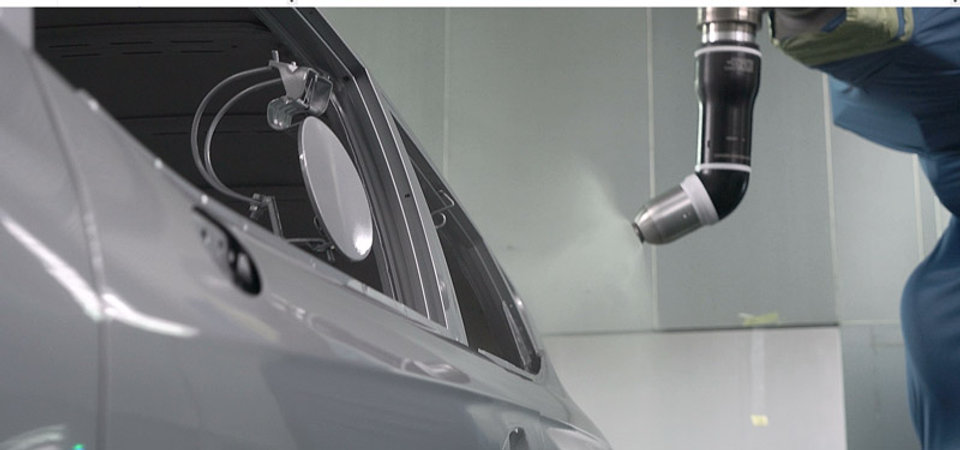
Manufacturing – Ensuring quality control by monitoring bolt tightness on assembly lines and optimizing robotic force application.
Aerospace – Monitoring aircraft engine performance and fuel efficiency, as well as supporting research in propulsion and control systems.
Automotive – Measuring engine and transmission torque to optimize performance, fuel efficiency, and power delivery.
Beyond these industries, torque transducers are integral to research, medical devices, industrial automation, and renewable energy systems.
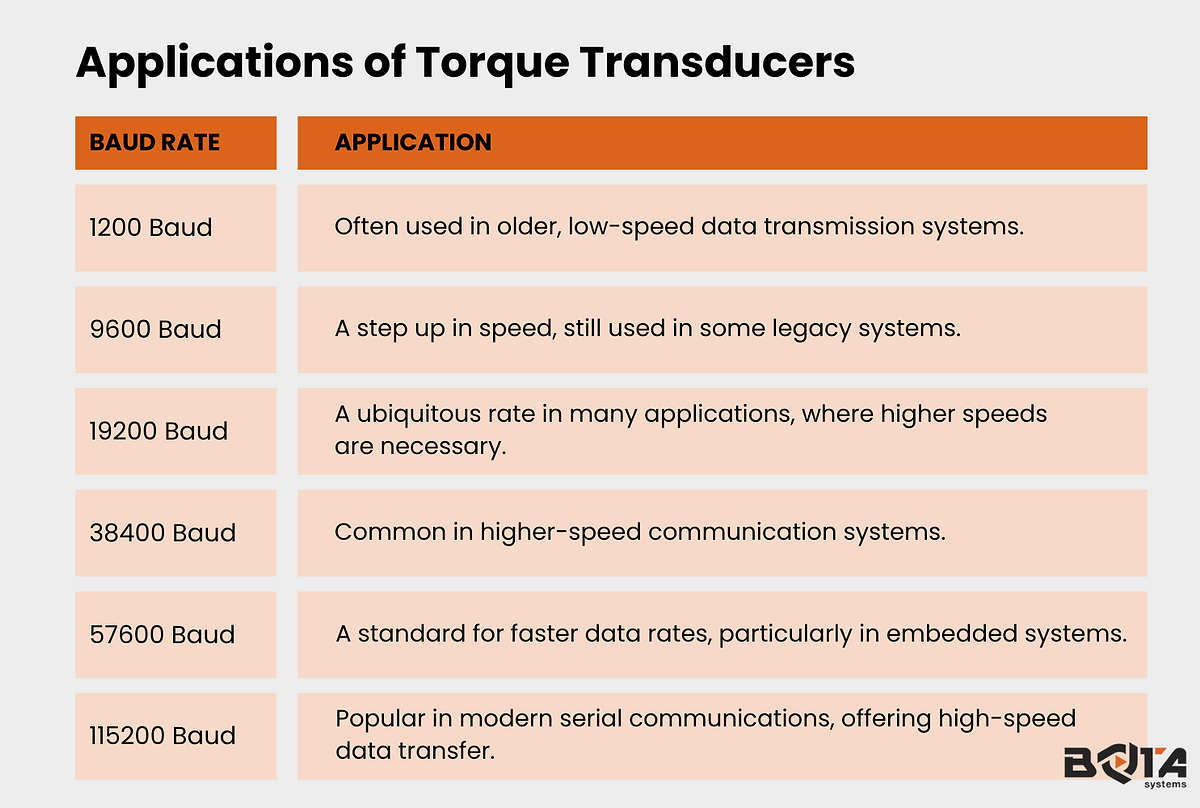
Advanced Torque-Sensing Solutions from Bota Systems
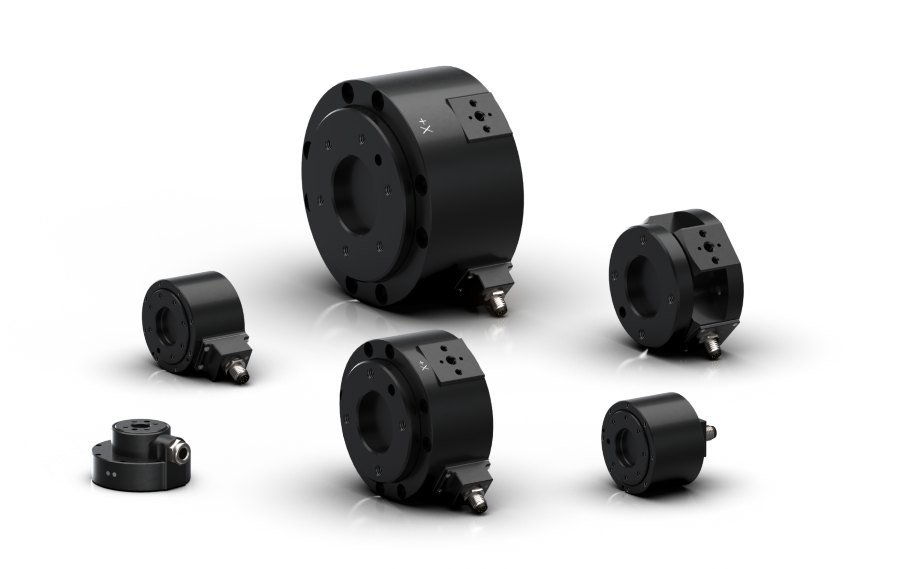
Bota Systems is a leading innovator in multi-axis force-torque sensing technology, providing high-precision solutions for a variety of applications.
The MiniONE Sensor is designed for compact spaces requiring high sensitivity, making it ideal for robotic applications.
The Medusa Sensor delivers exceptional precision, perfect for detecting minute torque variations in advanced research and automation.
By leveraging Bota Systems’ advanced torque sensing solutions, you can gain valuable insights into the performance of your machines, optimize processes, and ensure safety and efficiency in your operations.
Conclusion
Torque transducers play a crucial role in maintaining the efficiency, precision, and safety of mechanical systems across diverse industries. Understanding their working principles, different types, and applications highlights their significance in modern engineering.
As technology advances, torque transducers are set to become even more sophisticated, offering enhanced capabilities for monitoring and controlling the intricate systems that drive our world.