Robots are rapidly transforming various sectors, including education. In the education sector, robots are becoming ubiquitous in many learning institutions. It’s no wonder the global educational robots market, valued at $1.18 billion in 2023, is expected to be worth $5.56 billion in 2030, representing a compound annual growth rate (CAGR) of 26.2% for the forecast period 2024 to 2030.
In this blog post, we will explore what educational robotics is, the different types of educational robots, their benefits, and ten real-world applications of educational robots.
What Are Educational Robots?
Educational or pedagogical robots are robots specially designed to be used in educational institutions to facilitate learning. These robots take many forms. From simple robotic kits that students can assemble to larger humanoid robots that mimic human actions, there are a variety of educational robots.
Some educational robots even have artificial intelligence (AI) capabilities, allowing them to receive information and give students real-time feedback.

Types of Educational Robots
There are various types of educational robots, each with unique features. Here are some common types of robots in educational settings:
Pre-built Robots
As the name suggests, pre-built robots come fully assembled and programmed. Learners can use them straight out of the box, making them ideal for younger students. Teachers primarily use pre-built robots to teach students simple programming concepts.
Programmable Robots
Programmable robots are more sophisticated than their pre-built counterparts. Unlike pre-built robots, learners must assemble and program programmable robots. Teachers primarily use programmable robots to teach coding and complex robotics concepts.
Modular Robots
Modular educational robots are robots made up of multiple modules that learners can assemble in various ways. Teachers use these robots to teach learners about advanced robotics and mechanical engineering concepts.
Humanoid Robots
Humanoid robots resemble humans. They can teach various subjects, including languages, science, and mathematics. They can also act as personal teachers, freeing up time for teachers to focus on other tasks like creating lesson plans and grading assignments.
Benefits of Educational Robots
Educational robots offer learners, teachers, and researchers numerous benefits. Some of their notable benefits in educational settings include:
Promoting Hands-On Learning
Educational robots encourage practical learning. Instead of simply reading or listening to theoretical concepts, learners can engage with robotic components. This tactile learning approach can enhance student’s understanding of abstract concepts, particularly in the STEM (science, technology, engineering, and mathematics) disciplines.
Promoting Interactive Learning
Some students may become disinterested in what they’re learning if they’re solely reading from a textbook. Educational robots with AI capabilities can make learning more engaging and fun because they can interact with students.
Developing Critical Thinking and Problem-Solving Skills
Educational robots require learners to dissect problems and come up with innovative solutions. Whether it’s assembling a robot or programming one to work, educational robots stimulate creative thinking and problem-solving skills.
Fostering Teamwork
Many robotics projects require learners to work together. Collaborating on projects in group settings mimics real-life situations, particularly in STEM disciplines where professionals often work together on complex projects. Students gain an understanding of group dynamics, effective communication, and other skills that are integral to successful group projects.
Equipping Learners With In-Demand Skills
Introducing learners to robotics at an early age lays the groundwork for future careers in STEM. Considering analysts expect demand for STEM workers to grow four times faster than non-STEM jobs between 2022 and 2032, using educational robots to aid learning can enable students to develop knowledge and skills that are highly sought after in the job market.
Plugging the Teacher Talent Shortage
There’s a global teacher shortage. According to a UNESCO report, analysts project a deficit of 44 million primary and secondary teachers worldwide by 2030. This shortage will affect both high-income and developing nations, with Sub-Saharan Africa being especially affected, with an estimated need for 15 million teachers by 2030.
While teaching robots won’t plug this teacher shortfall entirely, they can help to perform basic roles. This can save schools from searching for teachers from a limited talent pool.
10 Real-World Applications of Robotics in Education
Educational robots are already transforming education in many educational settings. From teaching students how to code to providing personalized learning, here are some real-world applications of educational robots:
SoftBank Robotic’s NAO Robots
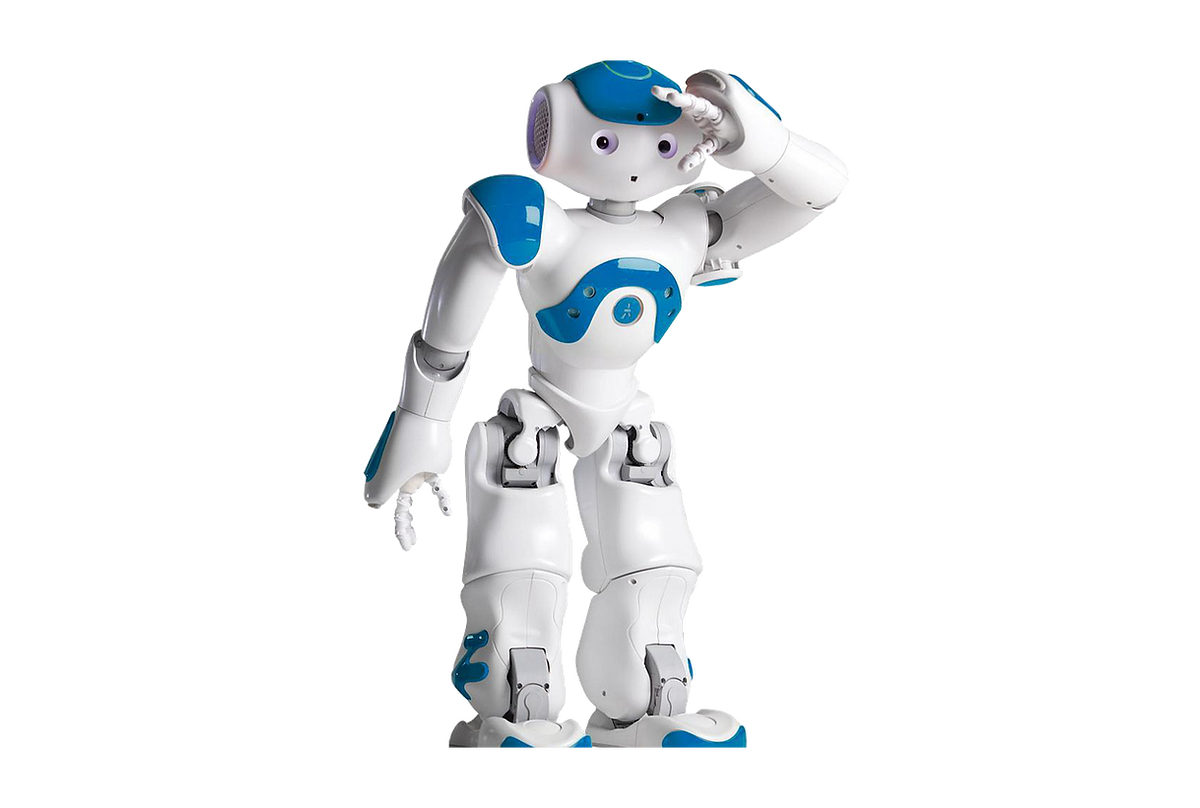
NAO is a personal robot teaching assistant developed by SoftBank Robotics. At 58 cm tall, NAO is a humanoid robot equipped with two cameras, four microphones, and several sensors that enable it to feel the environment around it.
Designed to facilitate learning, NAO can help students with programming, languages, and personalized learning. NAO can also conduct experiments, gather data, and test hypotheses, making it a useful robot for researchers.
Miko’s AI-Powered Robots
Miko’s educational robots line-up consists of two AI-powered robots designed to help students learn with STEAM (science, technology, engineering, art, and mathematics) learning. Powered by deep learning AI, the Miko robots can listen to learners, interact with them, and even entertain them.
University of Hertfordshire’s Kaspar Robot
It’s estimated up to 20% of the world’s population is neurodivergent. Neurodivergence includes conditions such as autism, dyslexia, and attention deficit hyperactivity disorder (ADHD).
Kaspar is a humanoid robot designed to help teachers support neurodivergent children — particularly those with autism. Designed as an expressive robot, Kaspar offers companionship to children with autism and aims to make social interaction easier.
LEGO’s SPIKE Prime Robot
The LEGO SPIKE Prime is the successor to the popular LEGO MINDSTORMS EV3 platform. It is an educational robotics kit comprising programmable LEGO bricks, sensors, motors, and software allowing learners to assemble and program robots. This helps equip learners with future skills they will need in careers like engineering and design.
Consequential Robotic’s MiRo-E Robot
The MiRo-E is a pet-like robot with an intuitive web-based coding interface that students can use to learn coding. Besides teaching students how to program, researchers currently use the MiRo-E for child therapy and pastoral care research.
Makeblock’s mBot Robot Kit
The mBot is an all-in-one educational robotics kit designed to make teaching and learning robotics programming fun and interactive. With just a few simple tools and a step-by-step guide, students can assemble the mBot within no time and use its drag-and-drop programming software to control the robot.
MainBot’s Winky Robot
The Winky is an educational robot with five buttons, three microphones, a speaker, LEDs, and rotating body parts. The Winky robot also has several sensors and effectors that allow it to interact with children and the environment. Launched on multiple e-commerce platforms in 2020, Winky can teach children basic coding concepts.
VEX Robotics VEX GO Education Robotic Kit
The VEX GO is another educational robotics kit designed to help middle and high school students learn fundamental programming concepts. It consists of various parts, motors, and electronics that students can assemble, helping them hone their problem-solving skills.
KEYi Technology’s ClicBot
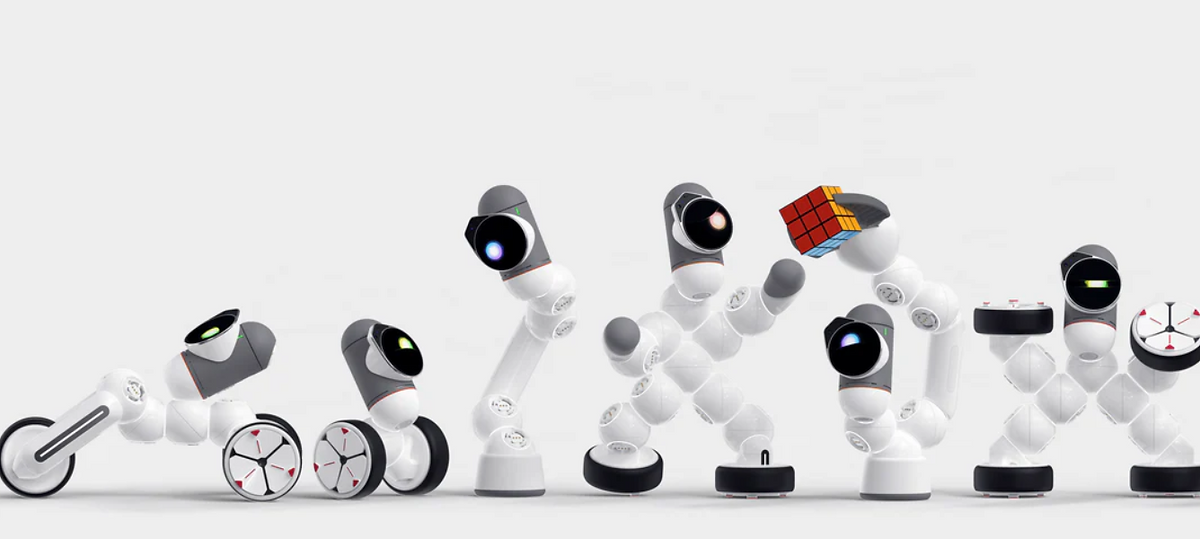
The ClicBot is an education robot developed by KEYi technology that students can use to learn core programming concepts. With a unique modular design, the robotic kit allows learners to build nearly 1,000 robotic configurations, including a turtle, engineering vehicle, and scorpion. Then, once they’ve built their custom creations, they can use the kit’s interactive programming interface to control the robot with zero or minimal coding knowledge.
UBTECH’s JIMU Robot
The JIMU robot is a robotic building block system that learners can use to assemble and program robots using a user-friendly drag-and-drop interface. Designed to promote STEM learning, the robotic building system has 371 pieces that learners can use to build one of three robots.
Final Word
Educational robots are transforming classrooms, making learning interactive, hands-on, and engaging.
Equip your robots with Bota Systems’ force torque sensors to provide precision and adaptability for educational applications. Whether it’s assembling robots, simulating human-like interactions, or conducting experiments, our sensors enhance the responsiveness and performance of your educational tools.
Empower students with immersive STEM experiences, foster critical problem-solving skills, and bring innovation to the classroom. Contact us today to explore how our force torque sensors can redefine the role of robotics in education and inspire the next generation of innovators.