
Packaging products efficiently often poses a significant challenge for many manufacturers. As a result, more manufacturers are employing robotics solutions like vacuum grippers to streamline the packaging process.
In fact, as of 2023, the global vacuum gripper market was valued at $57 million, and analysts expect it to reach a valuation of $478.1 million by 2030, representing a staggering compound annual growth rate (CAGR) of 36.2% for the forecast period 2024-2030.
Here, we’ll explore what vacuum grippers are, their packaging applications, and their benefits. We’ll also look at what to consider when choosing vacuum grippers for packaging.
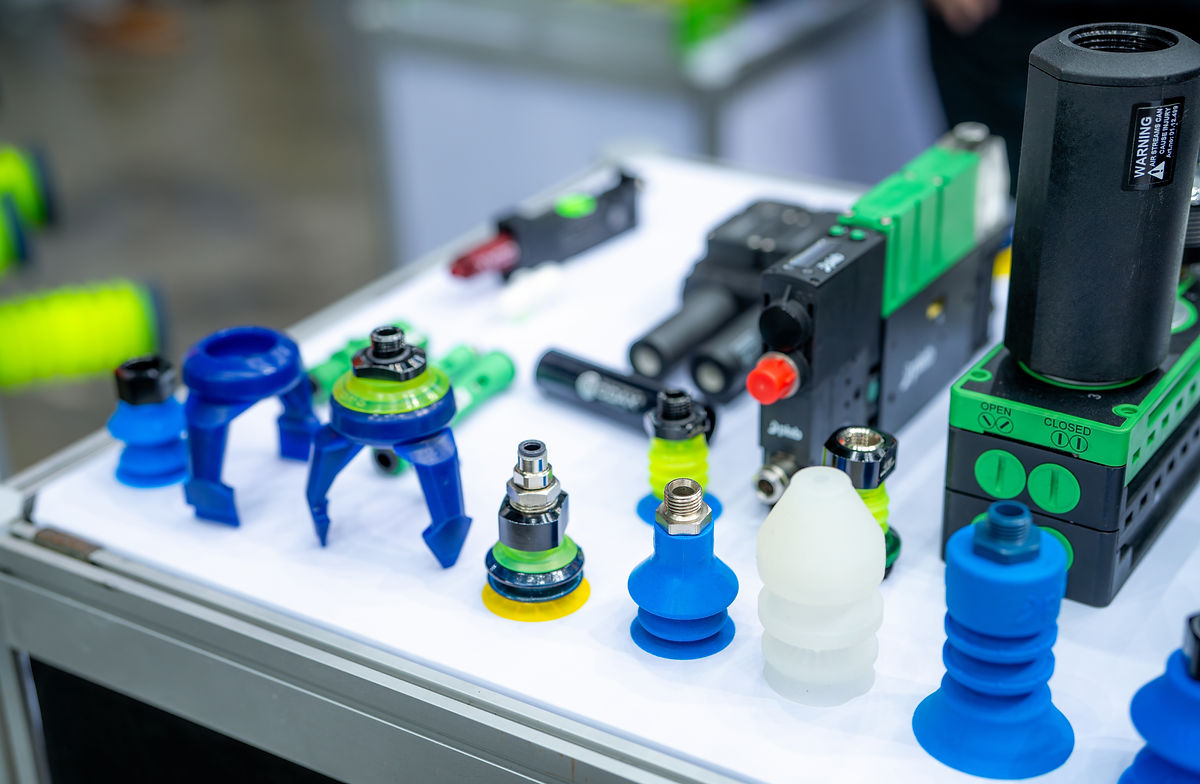
What Is a Vacuum Gripper?
A vacuum or suction gripper is a robotic end effector that uses suction created by a vacuum to lift and manipulate objects. Vacuum grippers typically consist of a vacuum pump connected by a hose to a suction head and suction cup that holds objects.
How Do Vacuum Grippers Work?
Vacuum grippers create a low-pressure area between their suction cups and an object’s surface. This results in a pressure difference that sucks the object onto the gripper, enabling the gripper to lift and manipulate it.
A vacuum pump creates the vacuum, which expels air from the space between the gripper and the object, allowing the gripper to grasp objects firmly.
There are primarily two suction grippers: electromechanical vacuum grippers and compressed air-driven ones.
Electromechanical suction grippers use an electric motor or pump to create a vacuum, enabling them to securely lift and manipulate objects by creating suction against their surface. On the other hand, compressed air-driven suction grippers use compressed air to create a vacuum.
Applications of Vacuum Grippers in Packaging
Vacuum grippers have a variety of packaging applications in multiple industries, such as manufacturing, food and beverage, and logistics. Let’s explore some common use cases.
Picking and Placing
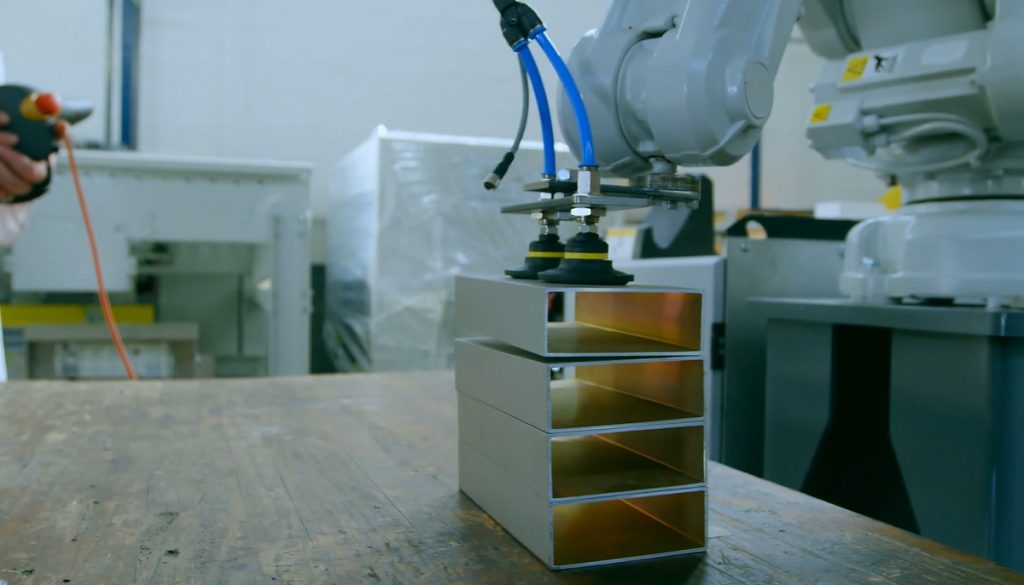
Many industries primarily use vacuum gripper robots for picking and placing tasks. These robots can securely lift and transport packages from conveyors to different locations within a production line, such as into boxes or other containers.
Palletizing
Thanks to their ability to hold objects securely, vacuum grippers are used in various industries to stack packaged products onto pallets neatly.
For example, Nortura — one of Norway’s largest food producers, uses a collaborative robot fitted with a vacuum gripper to streamline its palletizing operations. The robot has enabled the company to palletize an average of 1,700 boxes daily.
Bag Handling
Unlike traditional mechanical grippers, vacuum grippers don’t grasp objects with tremendous force. This makes them suitable for handling soft, flexible bags without damaging them — particularly in the food and beverage industry.
Material Handling
Vacuum grippers can lift and handle objects with remarkable precision. As a result, they are often used in industries that handle tiny, delicate electronic parts such as transistors, resistors, and microchips.
Benefits of Using Vacuum Grippers in Packaging
Vacuum gripper robots offer many benefits. Here are reasons why many companies that want to stay ahead employ them in their operations.
Versatility
Mechanical grippers can’t handle objects with unwieldy shapes and sizes. In contrast, vacuum grippers can grasp a variety of objects due to their customizable suction cup gripper designs.
Gentle Handling
Mechanical grippers often exert a lot of force when handling objects. In contrast, vacuum grippers can handle fragile items delicately because they can distribute the gripping force evenly across an object’s surface.
Precision
Vacuum grippers can place objects with exceptional accuracy compared to human workers. This quality makes them ideal for tasks requiring high precision, such as placing tiny electronic components.
Their remarkable precision can be especially beneficial for manufacturers who want to improve quality control and minimize issues during component assembly.
Cost-Effective
Vacuum grippers are more cost-effective than traditional mechanical grippers. Mechanical grippers have mechanical parts that are susceptible to breakdown. In contrast, vacuum grippers have fewer moving parts, so they require minimal maintenance, making them more economical.
Safety
The manufacturing sector has the highest rate of non-fatal workplace injuries, with the most common cause of work-related injuries being lifting, pushing, pulling, and bending.
Vacuum gripper robots can protect workers from injuries by doing the following:
Lifting heavy objects, eliminating the need for workers to lift them manually
Automating repetitive processes, eliminating employee fatigue from repetitive movement
Enhancing the efficiency of the production line, minimizing employee stress
In fact, according to a study, companies that implement robots have a 4.7% decrease in occupational injuries compared to companies that don’t use robots.

What to Consider When Choosing Vacuum Gripper Robots for Packaging
There’s no one-size-fits-all suction gripper that’s suitable for all applications. Bearing that in mind, here are key factors to consider when selecting vacuum grippers for packaging:
Gripping Force
Choose a vacuum gripper with sufficient gripping force to hold objects firmly. Ideally, a suitable suction gripper should hold objects tightly without damaging them.
Material Composition
Different materials require different vacuum gripper designs. For instance, ”sheet metal grippers” are ideal for handling metals because they have suction cups designed to handle smooth surfaces and oily metals.
Operating Environment
Environmental factors, such as humidity or temperature, can impact vacuum gripper performance. Grippers used in extremely hot environments may require materials different from those used in normal environments.
For instance, vacuum grippers made of aluminum are ideal for high-temperature environments because aluminum can withstand high temperatures.
Similarly, grippers used in cleanroom environments, such as those used in the medicine and healthcare industries, may require specialized materials compared to those employed in regular environments.
Workers often use silicone-based vacuum grippers in cleanroom environments due to their anti-static and low particle generation properties. These qualities make silicone grippers perfect for cleanroom settings because they can handle objects without contaminating them.
Surface Texture
Rough, porous, or textured surfaces may require specialized suction cups to maintain grip. For example, suction cups with textured interiors excel at grasping smooth metal objects firmly.
Gripper Design
The vacuum gripper design, particularly the suction cup, should be designed to grasp objects effectively. Consider these factors when selecting suction cups:
Shape: Certain suction cup shapes are better suited for specific tasks than others. For instance, flat cups are better suited for flat surfaces, while bellow suction cups are better suited for uneven surfaces.
Suction cup number: Grippers with multiple cups can provide better stability for larger or unwieldy objects.
Material: Choose a suction cup made of a suitable material based on the object and environment.
Pressure rating: Choose a suction cup with a pressure rating that matches the vacuum gripper to minimize failure.
User-Friendliness
Select a vacuum gripper that’s easy to program and integrate with existing robot systems to get systems up and running in no time.
Certification
Suction grippers often come with certifications indicating they work seamlessly with existing systems or meet compliance requirements. For instance, the UR+ certification is a common certification for vacuum grippers, indicating they can work seamlessly with Universal Robots collaborative robots.
Besides the UR+ certification, suction grippers used in industries like the food and beverage industry often come with food-grade certifications, indicating they can handle food safely.
Feedback
Some advanced vacuum grippers fitted with sensors provide feedback on metrics like suction force, leaks, and vacuum pressure, allowing for early detection of issues during operation.
While grippers with sensors aren’t necessary for all applications, look for grippers with these features, particularly for inspection and quality control tasks. Vacuum gripper robots with sensors can identify defects, ensuring that only quality products are packaged.
Streamline Packaging With Vacuum Gripper Robots
Vacuum gripper robots offer a variety of benefits for industries that package products. They are versatile, cost-effective, and can handle fragile materials carefully. Plus, they can enhance worker safety, reducing the risk of workplace injuries and boosting team morale.
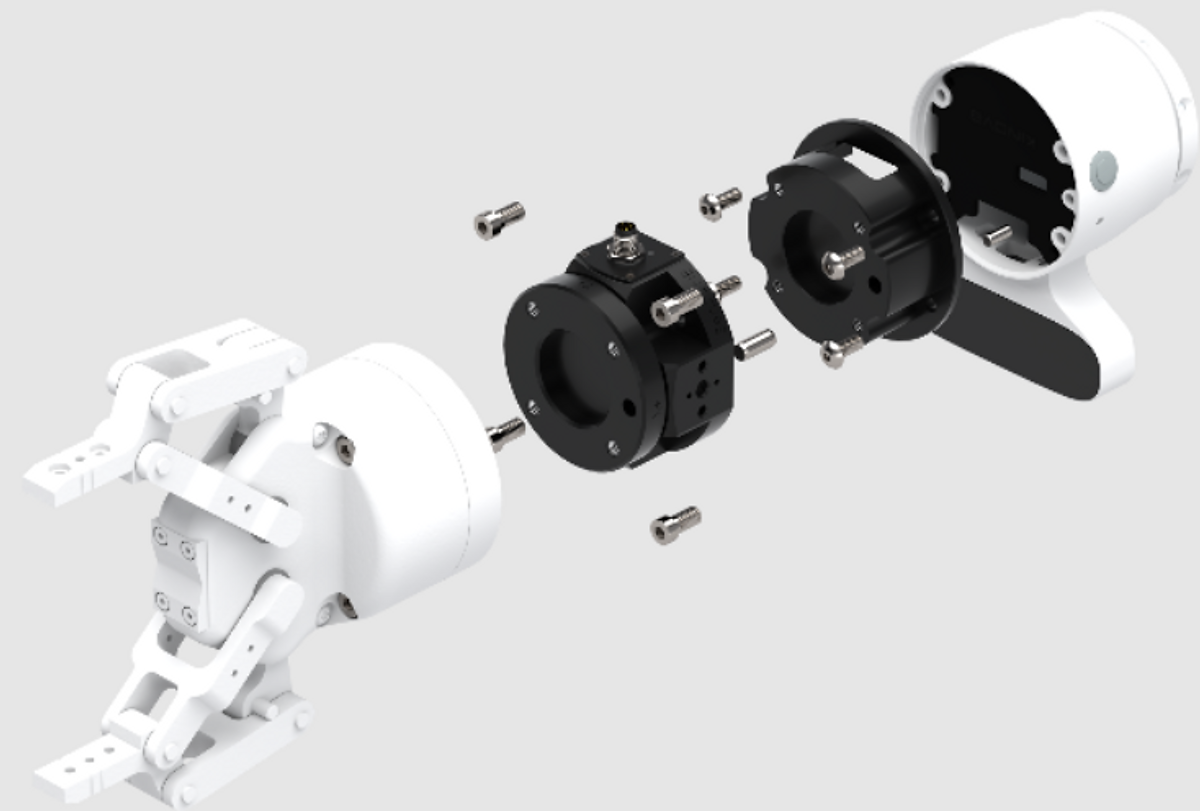
Enhance the efficiency of vacuum grippers in your packaging processes with Bota Systems’ force torque sensors. These advanced sensors provide real-time feedback on suction force, pressure, and gripping dynamics, enabling precise control and ensuring the safe handling of fragile materials.
By integrating Bota Systems’ sensors into your vacuum gripper setup, you can optimize quality control, minimize operational errors, and boost overall productivity. Contact us today to discover how our cutting-edge sensors can revolutionize your robotic packaging solutions and keep your operations ahead of the curve.


