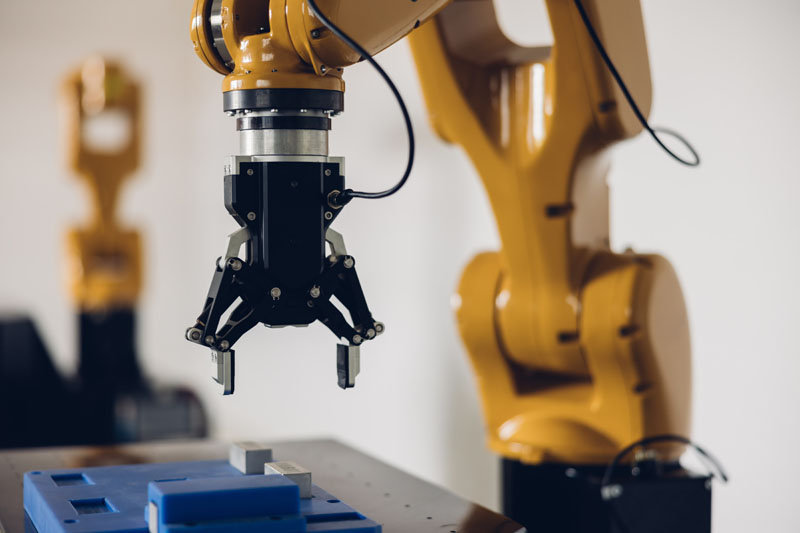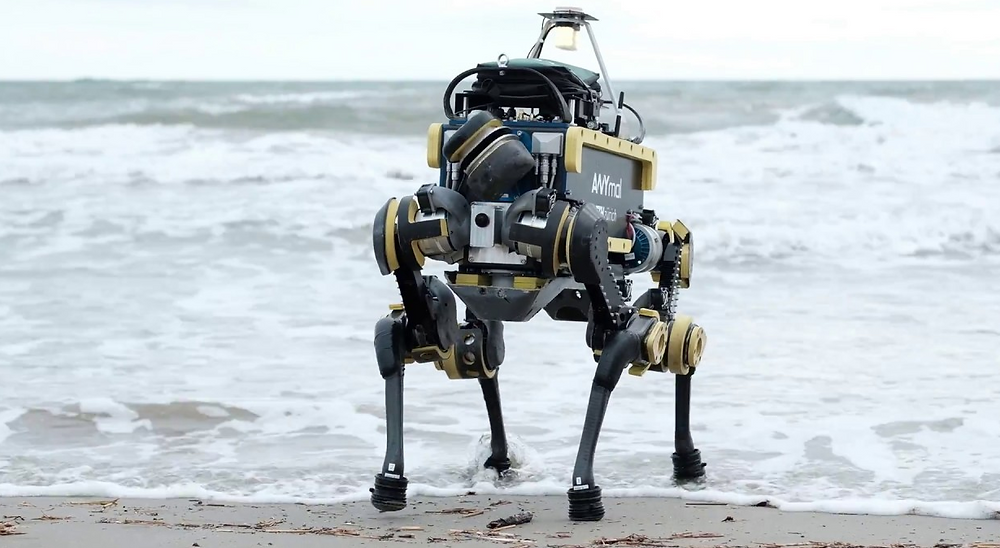
In the rapidly evolving healthcare sector, medical robots are transforming the industry, becoming integral to surgical procedures, patient care, and hospital administration. In fact, robotics in medicine is redefining patient outcomes and efficiency.
If you’re a healthcare professional or institution looking to adopt robot use, harnessing the power of medical robots can be a game-changer.
In this guide, we’ll explore the different types of medical robots, their use cases, benefits, what the future holds for robotics in healthcare, and more. We’ll also answer what do medical robots do and how they are changing the landscape of care.
Types of Robots in Healthcare
At its inception, the use of robots in healthcare was exclusively for surgical interventions.
However, since then, healthcare robots have assumed diverse roles, augmenting the capabilities of human professionals and revolutionizing patient care across various domains. Robots in the medical field today cover everything from surgery to logistics and social support.
Here are some common types of robots in the medical field:

Surgical Robots
These robots have transformed the operating room, providing unparalleled precision and control. They allow surgeons to perform complex procedures with minimal invasions, reducing patient recovery time and risk of infection.
Some surgical procedures they can facilitate include hysterectomy, prostatectomy, bariatric surgery, and hip and knee surgery.
The da Vinci Surgical System manufactured by the company Intuitive Surgical is one of the most popular and ubiquitous surgical robots. It can translate surgeon hand movements with exceptional dexterity, minimizing patient trauma and accelerating patient recovery times.
Telepresence Robots
These robots enable healthcare professionals to provide care from afar through remote consultations and monitoring. They are especially crucial in rural or remote areas where it isn’t easy to access healthcare services.
With telepresence robots, physicians can examine patients remotely, communicate with bedside staff, and provide expert consultations from anywhere globally.
Sanitization Robots
These robots play a vital role in maintaining a sterile hospital environment. They use ultraviolet (UV) light, air filtration, hydrogen peroxide sprays, or other disinfection methods to eliminate germs and viruses from surfaces and air.
This is critical in preventing hospital-acquired infections and ensuring patient and staff safety.
Delivery and Logistics Robots
These diligent robots automate the transport of medical supplies and lab samples within healthcare facilities. They reduce human labor, minimize errors, and speed up the delivery process, allowing hospital staff to prioritize higher-level tasks.
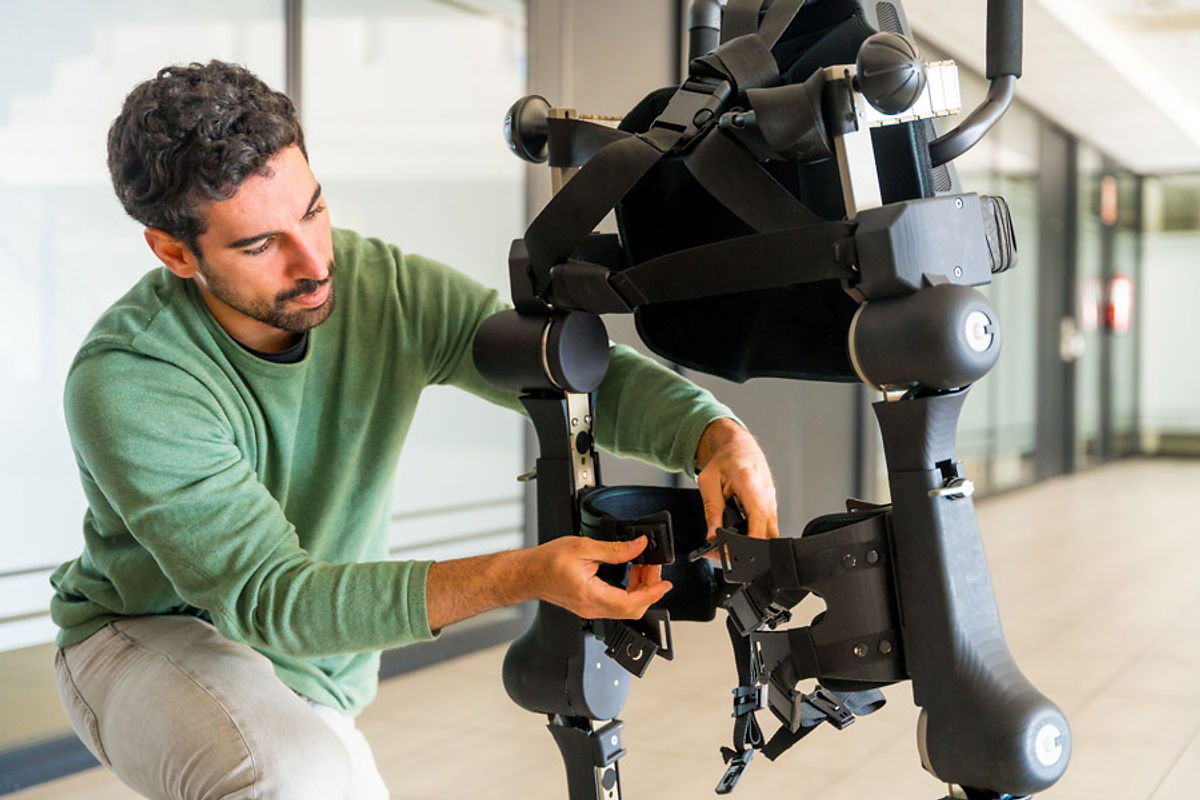
Rehabilitation Robots
Modular robots support patient rehabilitation efforts. There are primarily two common types of modular robots: therapeutic exoskeleton robots and prosthetic limbs.
Rehabilitation robots can offer interactive guidance, personalized feedback, and tailored exercises, empowering patients with conditions that affect movement to regain mobility and autonomy.
Social Robots
Loneliness and isolation can significantly impact patient well-being, particularly for terminally ill patients. Social robots can interact with patients and visitors in long-term healthcare facilities like hospices, alleviating feelings of loneliness and isolation.
Social robots can encourage patients to take their medication, offer emotional comfort, and direct visitors and patients in a healthcare facility, enhancing overall patient care.
Benefits of Robotics in Healthcare
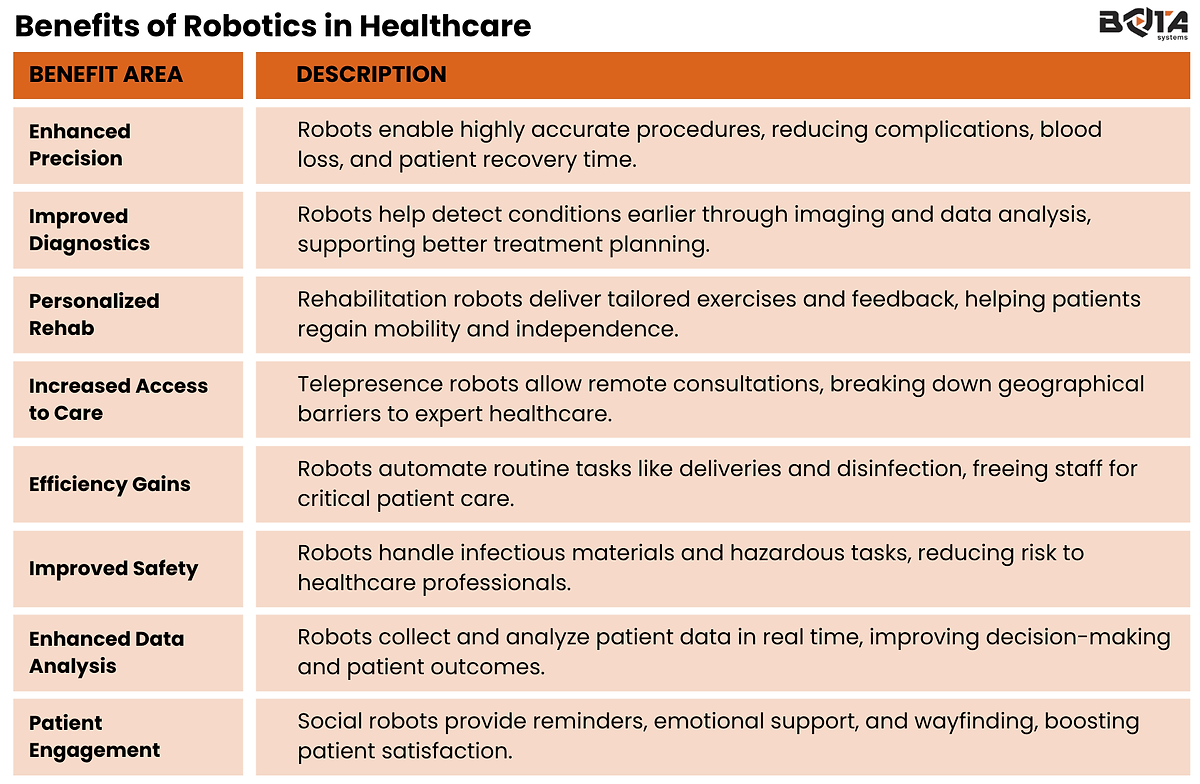
Medical robots haven’t just revolutionized patient care. They’ve also been beneficial to healthcare professionals. These examples show the real-world value of healthcare robotics for both patients and professionals:
Benefits to Patients
Enhanced Precision and Reduced Complications
Surgical robots enable surgeons to perform surgical procedures with exceptional precision, leading to smaller incisions and reduced blood loss. This translates to reduced discomfort and quicker recovery for patients.
Improved Diagnostics and Treatment
Ingestible robots fitted with cameras can take images of the digestive tract and help healthcare professionals identify signs of disease or other complications. This can allow physicians to detect issues earlier, resulting in better treatment plans and patient outcomes.
Personalized Rehabilitation
Modular robots can help patients recover lost abilities and regain mobility and independence through targeted exercises and personalized feedback.
Increased Access to Care
Telepresence robots shatter geographical barriers, allowing healthcare professionals to remotely provide expert consultations and ongoing patient care. This particularly benefits patients in far-flung areas or those with mobility challenges.
Enhanced Patient Satisfaction and Engagement
Robots play a vital role in enhancing patient engagement and satisfaction. For instance, social robots can remind patients to take their medication, offer emotional support, and direct patients, boosting overall satisfaction.

Benefits to Healthcare Professionals
Enhanced Precision and Reduced Fatigue
Many surgical procedures take several hours. Surgical robots provide invaluable assistance during these procedures, allowing surgeons to operate with greater dexterity and less physical strain. This results in improved focus, less fatigue, and potentially fewer human errors during complex procedures.
Increased Efficiency and Streamlined Clinical Workflows
Robots can handle mundane, repetitive tasks like fetching supplies, disinfecting surfaces, or managing logistics, allowing healthcare professionals to focus on higher-level duties. This allows for better resource allocation.
Enhanced Safety
Healthcare professionals are exposed to various risks. Robots can undertake tasks in hazardous environments, handle infectious materials, and disinfect surfaces, minimizing the risk of exposure for healthcare professionals.
Improved Data Acquisition and Analysis
Robots can collect, analyze, and present data in real-time, providing valuable insights to healthcare professionals. This can promote better decision-making, leading to improved patient outcomes.
Challenges of Robotics in Healthcare
While integrating robotics in healthcare offers numerous benefits, their integration presents some challenges. Here are some of them:
High Initial Costs
Acquiring, implementing, and maintaining medical robots can come at a hefty cost, making it challenging for smaller healthcare facilities to adopt them.
Technical Training and Adaptation
The complexity of medical robotics systems necessitates specialized training for healthcare professionals. Integrating medical robots into existing workflows requires a substantial time and resource investment to learn how to operate them effectively, which can initially slow down processes.
Regulatory and Ethical Concerns
Navigating the regulatory landscape for medical robotics can be challenging. For instance, in the United States, medical robots must comply with HIPAA regulations to protect patients’ privacy.
Patient Acceptance and Trust
Patients may have reservations about the role of robots in hospitals. According to a study, nearly one-third of dental patients stated they wouldn’t trust a medical robot with robotic cleaning and whitening. Meanwhile, another two-thirds stated they wouldn’t trust a robot to perform an invasive dental procedure like a root canal.
Healthcare professionals must educate patients about the benefits and safety of robotic-assisted procedures to allay their fears and build trust in medical robots.

The Promising Future of Robotics in Healthcare
The global medical robotics market was valued at around $8.5 billion at the end of 2021, and it’s forecasted to reach a valuation of $63.7 billion by 2032. As the medical robots market continues to grow and the technology continues to evolve, the future of medical robotics looks exciting. Here are some groundbreaking innovations you can expect:
Enhanced Treatment Outcomes
Beyond surgery, robots will advance medicine on a cellular level. According to a study in the Journal of Drug Delivery Science and Technology, nanorobots could potentially deliver chemotherapy drugs directly to cells, minimizing patient side effects.
AI-Powered Diagnostics
As artificial intelligence (AI), machine learning, data analytics, and other technologies evolve, robots will become sophisticated diagnostic tools, analyzing medical images and data with unprecedented accuracy.
Medical robots will be able to comb through significant amounts of information and offer insights based on vast datasets that no human could pore through in a lifetime. This could pave the way for early detection.
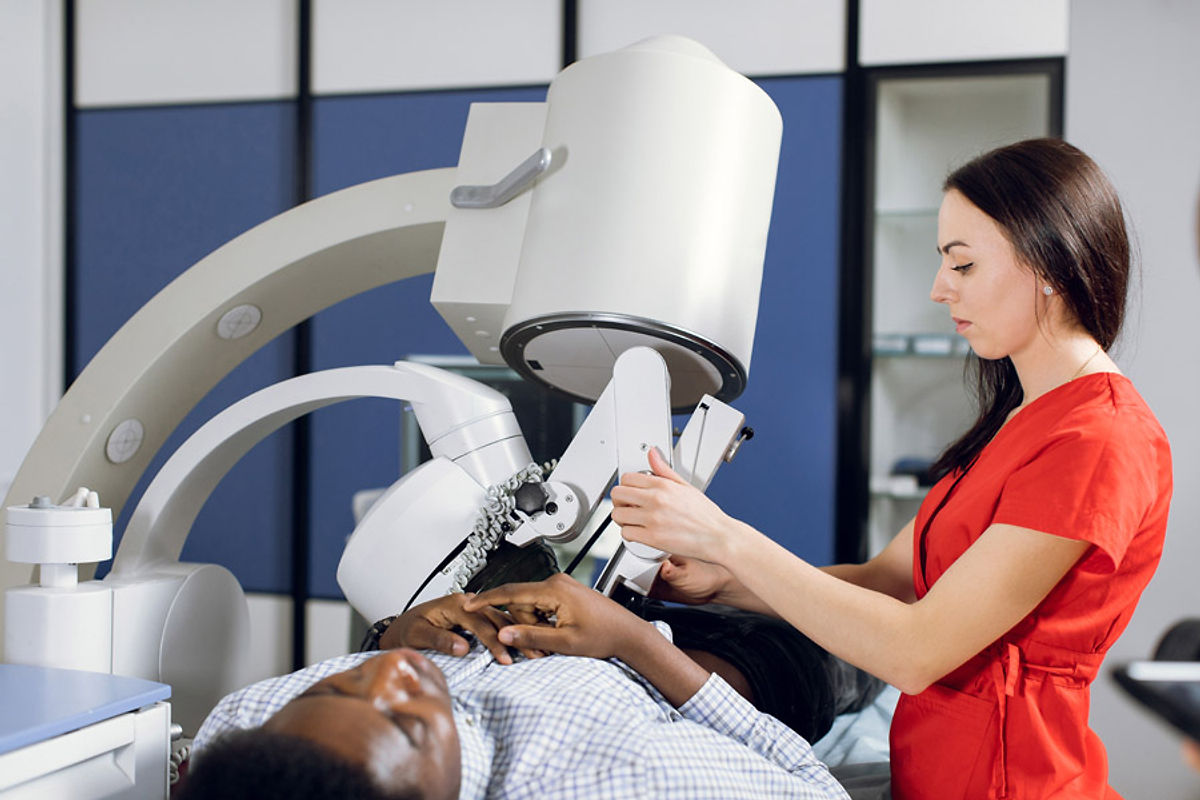
Enhanced Surgical Precision and Minimally Invasive Techniques
While surgical robots work with incredible precision, they’re expected to improve over time. According to a study in the Cureus Journal of Medical Science, robotic surgery has been shown to have lower complication rates compared to traditional surgery techniques.
Additionally, according to another study, certain surgical procedures like traditional endoscopy may soon be performed by small robots that can be directed to specific locations to perform tasks like taking biopsies in a way that causes little harm to body tissue.
Improved Remote Care
Telepresence robots will become even more intelligent, offering richer virtual interactions between healthcare providers and patients. This will bridge the gap between far-flung areas and high-quality healthcare services.
Conclusion
Medical robots are redefining patient care, but their performance relies heavily on the precision and safety of the components they use. Force torque sensors play a crucial role in enabling robots to interact delicately with human tissue, perform complex procedures safely, and adapt intelligently to dynamic environments.
At Bota Systems, our cutting-edge force torque sensors are designed to deliver the high-resolution measurements and robust reliability needed in medical robotics. Whether you’re developing surgical robots, rehabilitation devices, or logistics automation, our sensors help ensure your systems achieve unmatched accuracy, safety, and patient outcomes.
Interested in learning how Bota Systems’ force torque sensors can enhance your medical robotics application? Contact us todayto discuss a tailored solution for your needs.