Today, automation has become the cornerstone of efficiency and reliability. Among the many robotic technologies transforming production lines, the pick and place robot stands out as one of the most widely used and versatile systems.
These robots are designed to handle repetitive material-handling tasks such as picking up items, transferring them to another location, and placing them precisely where needed.
By reducing manual labor, improving consistency, and speeding up operations, pick and place robots are reshaping industries ranging from electronics and packaging to logistics and pharmaceuticals.
Their integration into automated systems marks a crucial step toward the era of smart, flexible manufacturing.
What Is a Pick and Place Robot?
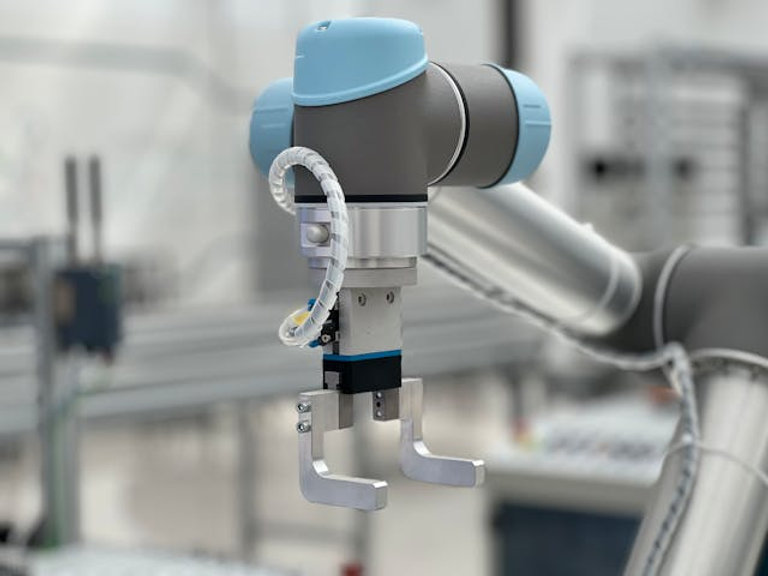
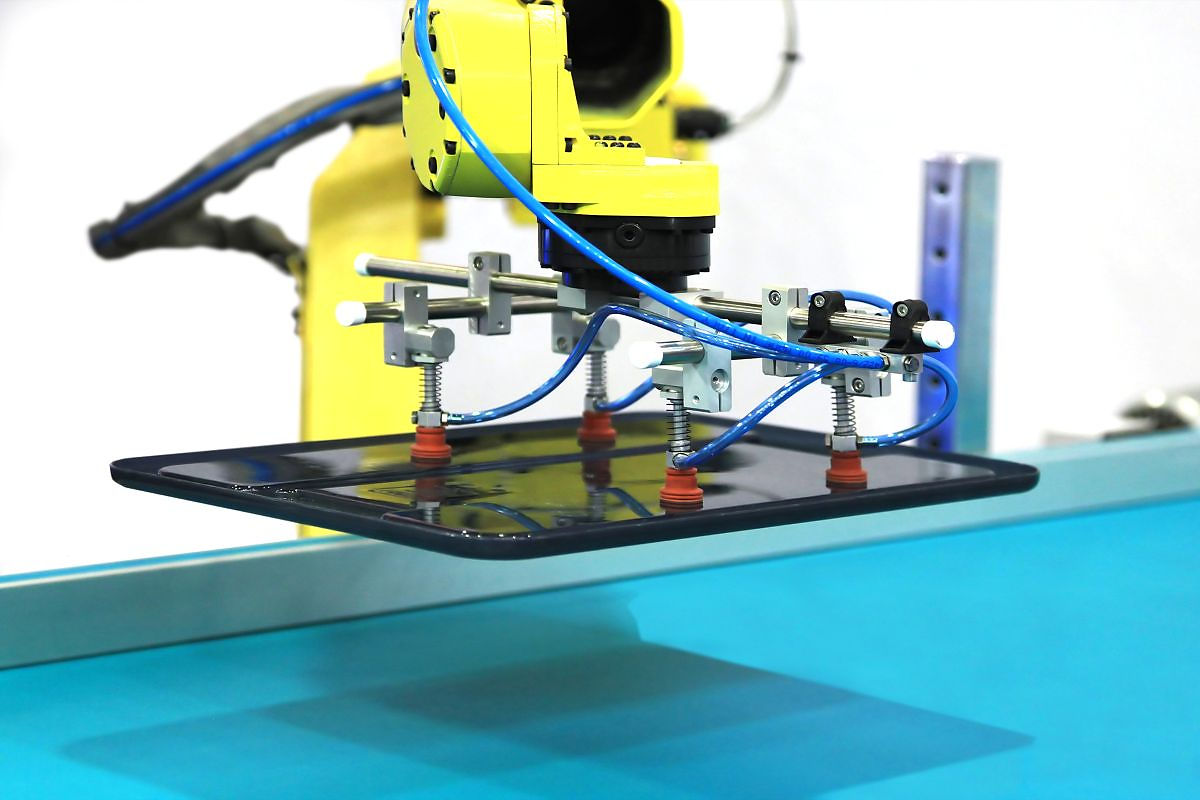
A pick and place robot is an automated machine designed to lift objects from one location and move them to another with speed and precision. These robots typically use robotic arms equipped with specialized end-effectors such as grippers or suction cups to handle various materials, shapes, and sizes.
Unlike general-purpose industrial robots, pick and place robots are optimized for repetitive handling and sorting tasks. They are particularly valuable in high-volume environments where speed, accuracy, and reliability are essential.
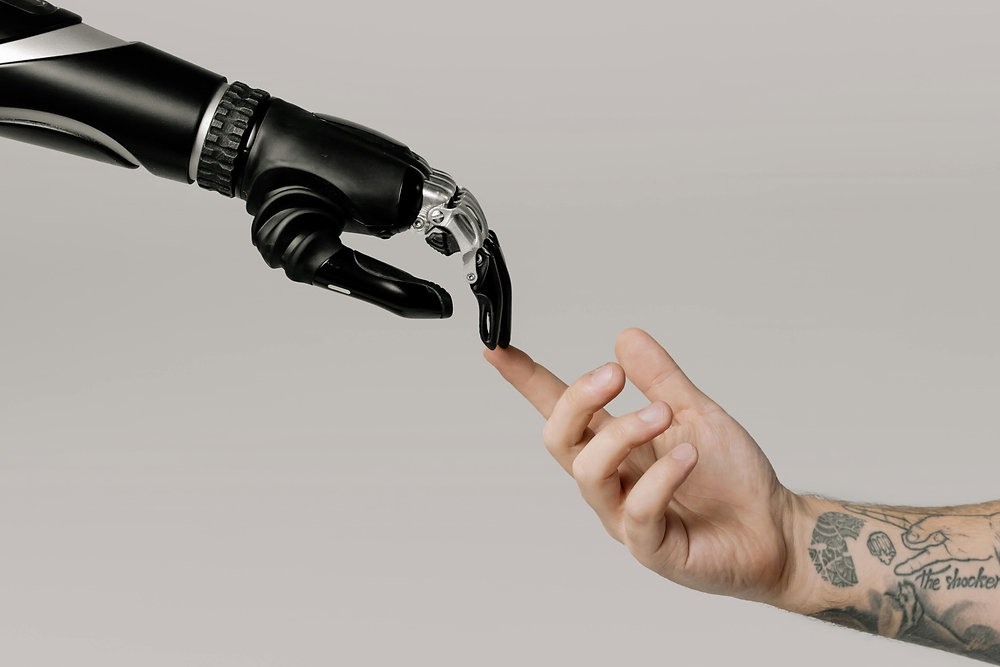
In manufacturing, packaging, and assembly lines, these robots reduce human fatigue and error while maintaining consistent output. Whether used as part of a fully automated production system or working alongside human operators, pick and place robotics ensure smoother, more efficient workflows.
How a Pick and Place Robot Works
A pick and place robot operates through a combination of precise motion control, vision systems, and real-time feedback. The process typically follows several stages:
1. Object Detection and Localization: The robot uses sensors or camera systems to detect and determine the position and orientation of objects. Advanced models employ AI-driven vision systems for more complex recognition tasks.
2. Motion Planning: Once the object is located, the robot calculates the optimal path for picking and placing, considering factors like speed, safety, and efficiency.
3. Gripping and Handling: The robot’s end-effector (such as a gripper, vacuum, or magnetic tool) securely grabs the object.
4. Transfer and Placement: Using its articulated arm, the robot moves the object to the target position and releases it accurately.
This coordinated sequence allows the robot to execute thousands of pick and place cycles per hour, maintaining precision and speed in even the most demanding production environments.
Types of Pick and Place Robots
Pick and place robots are available in multiple configurations, each designed for specific motion types, speed requirements, and payload capacities.
Understanding these types helps determine the ideal solution for a particular application.
Cartesian Robots
Cartesian robots, also known as gantry robots, move along linear X, Y, and Z axes.
They are simple, robust, and capable of delivering exceptional accuracy, making them ideal for repetitive and structured tasks like packaging, material transfer, and assembly. Their modular design allows easy customization to fit large workspaces.
SCARA Robots
SCARA (Selective Compliance Assembly Robot Arm) robots provide high-speed horizontal motion and slight flexibility in the vertical axis.
They are perfect for small part assembly, packaging, and palletizing tasks that require speed and precision in confined spaces.
Delta Robots
Delta robots, often recognized by their spider-like configuration, are among the fastest pick and place systems available.
They use parallel kinematics to achieve high-speed, lightweight movement, ideal for sorting and packaging in food, pharmaceutical, and electronics production lines. Their design enables precise handling of small or fragile products at remarkable speeds.
Articulated Robots
These multi-jointed robotic arms mimic the motion of a human arm, offering flexibility and reach.
Articulated pick and place robots can handle more complex trajectories and are widely used in applications that require 3D movement, such as automotive assembly and product handling.
Collaborative Robots (Cobots)
Collaborative robots are designed to safely share workspace with humans. They are slower than industrial models but excel in flexibility and ease of deployment.
Equipped with sensors and safety mechanisms, cobots are ideal for mixed manual-robotic operations, low-volume runs, and environments where adaptability is key.
Each robot type provides distinct advantages, from the speed of delta robots to the versatility of articulated arms, ensuring a suitable solution for every production challenge.
Main Components of a Pick and Place System
A modern pick and place system integrates mechanical precision, electronic control, and intelligent sensing. The main components include:
Robotic Arm
The robotic arm provides the structure and movement. Depending on design, it may feature two to six axes, enabling linear or rotational motion.
Advanced arms offer high payload capacity and repeatability, essential for tasks requiring exact placement.
End Effector
The end effector-whether a gripper, suction cup, or magnetic tool-is the “hand” of the robot. It interacts directly with the object, chosen based on product shape, fragility, and material type.
For example, vacuum cups handle lightweight packaging, while precision grippers are used in electronics.
Vision and Sensor Systems
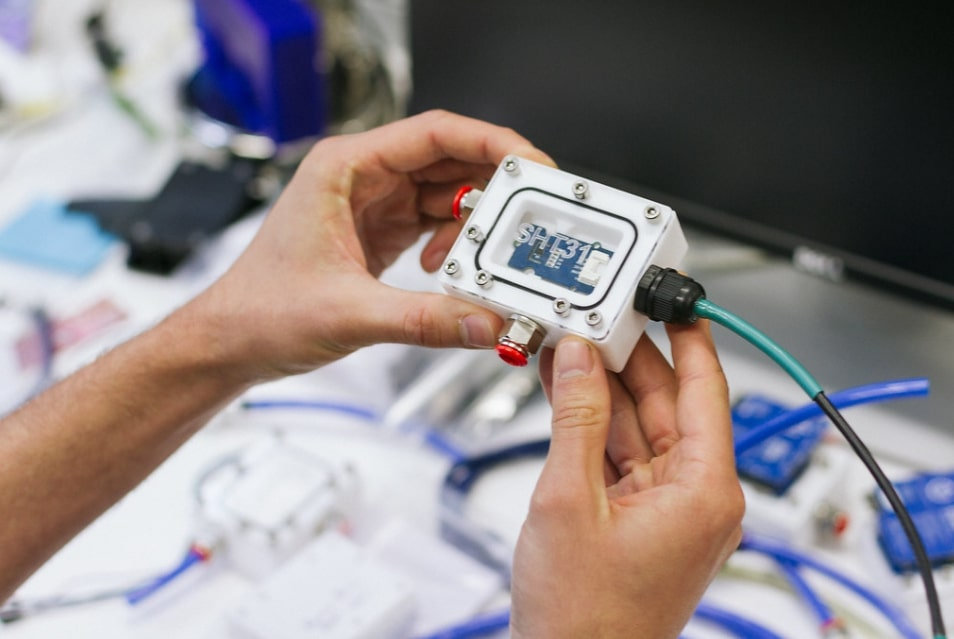
Cameras, laser scanners, and force-torque sensors provide feedback for positioning and pressure control. Vision systems allow the robot to identify items dynamically, even if randomly placed.
Bota Systems develops advanced force-torque sensors that help robots detect fine force variations, ensuring accurate and gentle handling.
Controller and Software
The controller serves as the robot’s brain, coordinating motion, feedback, and safety protocols.
Modern systems use intuitive programming software, allowing easy setup and quick reconfiguration for new tasks or product lines.
Conveyors and Support Equipment
Pick and place robots are often integrated with conveyors, trays, or feeders to maintain continuous material flow. The system’s layout is designed to minimize downtime and maximize throughput.
Together, these components enable a pick and place robot to operate seamlessly, combining precision mechanics with intelligent automation.
Applications of Pick and Place Robots
The versatility of pick and place robots makes them indispensable across a wide range of industries.
Their ability to handle delicate, heavy, or high-speed operations enables them to streamline numerous production and logistics processes.
Packaging and Palletizing
In the packaging sector, pick and place robots perform tasks such as box loading, sorting, and pallet stacking with remarkable speed.
Their precision ensures consistent product orientation and alignment, while their high throughput reduces bottlenecks in fast-moving consumer goods industries.
Electronics and PCB Assembly
In electronics manufacturing, automatic pick and place robots are essential for placing microscopic components onto printed circuit boards (PCBs).
They work with micrometer-level accuracy, ensuring high-quality assembly and minimal rejection rates. Integration with vision systems allows real-time correction
for component placement errors.
Food and Beverage
Food production lines benefit greatly from fast pick and place robots that handle items safely and hygienically.
Robots can pick pastries, chocolates, or packaged goods from conveyors and place them into trays or cartons, ensuring consistency and reducing contamination risk.
Pharmaceuticals and Medical Devices
In cleanroom environments, robots manage delicate tasks like filling, capping, sorting pills, or assembling small medical components.
Their precision and compliance with strict hygiene standards make them ideal for pharmaceutical production.
Automotive and Industrial Manufacturing
In automotive assembly, industrial pick and place robots handle parts such as bolts, sensors, and small assemblies, improving production efficiency.
Their integration with vision and force sensing allows them to manage variations in part positioning or material hardness.
E-Commerce and Logistics
Robotic pick and pack systems are revolutionizing warehouses and distribution centers.
These robots identify, retrieve, and package products for shipment with minimal human intervention, drastically reducing processing time and errors.
Whether in high-speed food lines or precision electronics assembly, pick and place robots enhance productivity, safety, and consistency-key pillars of modern automation.
7. Advantages of Pick and Place Robotics
The benefits of integrating pick and place robots extend far beyond automation efficiency. Key advantages include:
Speed and Productivity: Robots operate continuously without fatigue, dramatically increasing production rates.
Accuracy and Repeatability: With precision sensors and control systems, each motion is executed identically, reducing defects.
Cost Efficiency: Lower labor costs and reduced downtime result in significant long-term savings.
Workplace Safety: By handling repetitive or hazardous tasks, robots minimize injury risks to human workers.
Scalability and Flexibility: Systems can be reprogrammed or retooled to accommodate new products or layouts.
Together, these advantages make pick and place robotics a critical component of smart manufacturing systems.
How to Choose the Right Pick and Place Robot
Selecting the right pick and place robot depends on your production goals, workspace, and technical requirements. Consider the following factors:
Payload and Reach: Ensure the robot can handle the weight and size of your products within the required range of motion.
Speed and Cycle Time: High-speed robots are ideal for packaging and sorting, while slower, high-precision models suit assembly work.
Workspace and Footprint: Compact robots are better suited for limited spaces or small-scale operations.
Integration Capabilities: The robot should easily connect with conveyors, sensors, and existing automation systems.
Environment: Consider factors like cleanroom compliance, temperature control, and safety features.
Manufacturers looking for enhanced control and sensitivity should explore solutions from Bota Systems, whose advanced force-torque sensors provide real-time feedback that improves precision and adaptability in robotic operations.
The Future of Pick and Place Robotics
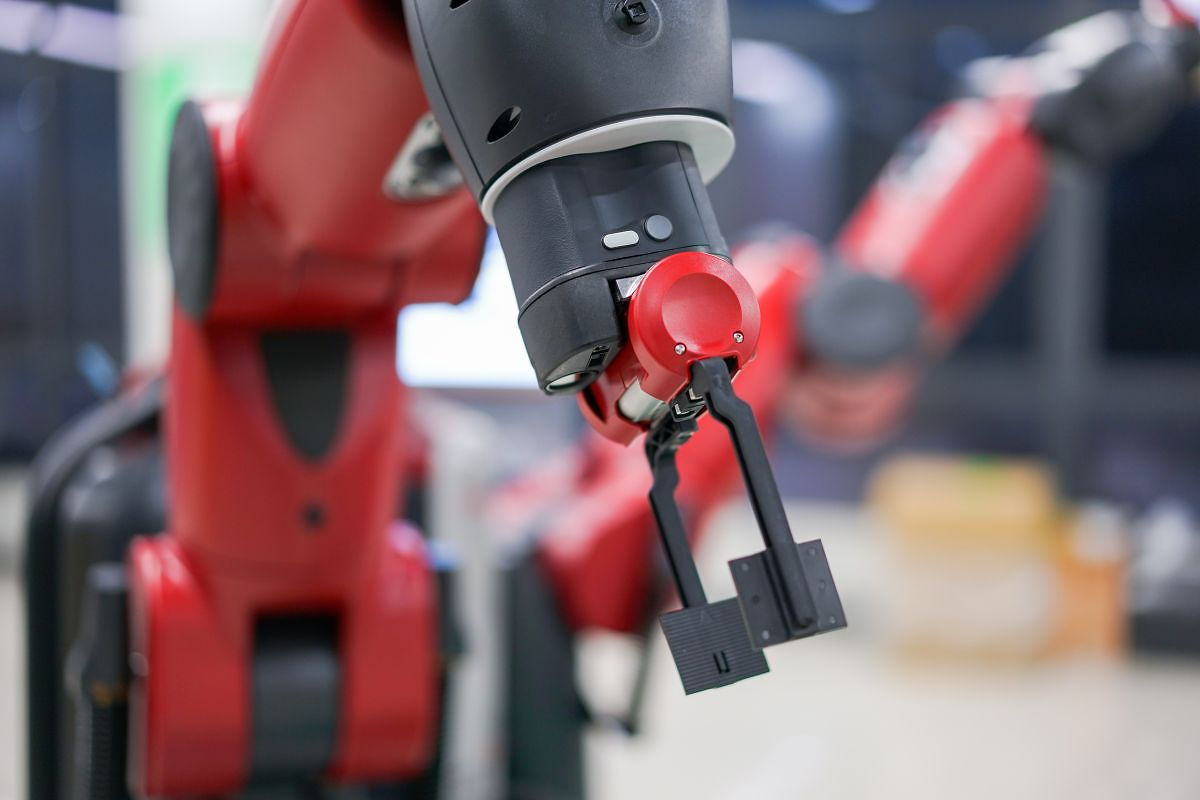
As robotics technology evolves, pick and place systems are becoming faster, smarter, and more autonomous. Artificial intelligence, computer vision, and machine learning are enabling robots to recognize complex shapes and make decisions on the fly.
In the near future, we can expect fully adaptive systems that can handle multiple product types without reprogramming. Integration with the Industrial Internet of Things (IIoT) and edge computing will further enhance responsiveness and efficiency. Collaborative robots will also play a bigger role, allowing humans and machines to work side by side in flexible production environments.
This continuous innovation is paving the way for agile, data-driven manufacturing ecosystems that redefine productivity standards.
Why Choose Bota Systems for Pick and Place Automation
Bota Systems is a leader in developing high-precision force-torque sensors designed for robotic applications. These sensors provide robots with tactile awareness, allowing them to apply just the right amount of force during pick and place operations.
With a focus on quality, integration ease, and advanced sensing technology, Bota Systems empowers manufacturers to achieve greater consistency and control. Whether in assembly, packaging, or inspection, their sensors enhance robot performance, reduce defects, and extend equipment lifespan.
For companies seeking to improve efficiency and precision in their automation systems, Bota Systems offers reliable, future-ready solutions tailored to modern industry needs.
Conclusion
The pick and place robot is one of the most transformative technologies in industrial automation, bridging the gap between speed and precision.
From packaging and logistics to electronics and pharmaceuticals, these robots enable manufacturers to meet growing production demands while maintaining exceptional quality.
As automation continues to evolve, intelligent sensing and adaptive control will define the next generation of robotic systems.
With innovative providers like Bota Systems, industries can harness the full potential of pick and place robotics-achieving greater accuracy, flexibility, and efficiency in every operation.
References
Canales, L. F. A., Hernandez, D. M., & Núñez, F. (2023, September). A Model-Based Low-Cost Autonomous Pick-and-Place Cartesian Robot. In 2023 IEEE Central America and Panama Student Conference (CONESCAPAN) (pp. 128-133). IEEE. Link.
Elassal, A., Abdelaal, M., Osama, M., & Elhnidy, H. (2024). Low-cost parallel delta robot for a pick-and-place application with the support of the vision system. e-Prime-Advances in Electrical Engineering, Electronics and Energy, 8, 100518. Link.
González-Palacios, M. A., Garcia-Murillo, M. A., & González-Dávila, M. (2021). A novel tool to optimize the performance of SCARA robots used in pick and place operations. Journal of Mechanical Science and Technology, 35(10), 4715-4726. Link.
Guerra-Zubiaga, D., Franklin, A., Escobar-Escobar, D., Lemley, T., Hariri, N., Plattel, J., & Ham, C. (2022, October). Computer vision and machine learning to create an advanced pick-and-place robotic operation using industry 4.0 Trends. In ASME International Mechanical Engineering Congress and Exposition (Vol. 86632, p. V02AT02A010). American Society of Mechanical Engineers. Link.